Looking for a Manhattan neighborhood that can keep up with both your workweek and your weekend? The West Village often stands out because it blends a walk-first lifestyle, strong transit access, historic housing, and daily access to major parks and open space. If you are weighing whether the neighborhood fits your routine, your household needs, and your housing goals, this guide will help you understand the practical upsides and the tradeoffs. Let’s dive in.
Why West Village Appeals Broadly
West Village offers a lifestyle that works well for many professionals and families because so much of daily life can happen close to home. You can often rely on walking, transit, and neighborhood-scale retail instead of planning everything around a car. That kind of convenience can make a real difference when your schedule is full.
The neighborhood also has a distinct identity. It sits within Manhattan Community District 2’s downtown Greenwich Village area, and the district includes one of the largest landmark areas in New York City. That historic character shapes how the neighborhood looks, feels, and functions today.
According to the West Village BID, the area is culturally rich and commercially vibrant. At the same time, the BID highlights ongoing priorities like cleaner streets, better-managed foot traffic, and stronger resident engagement. For you, that means the neighborhood is lively and active, but also focused on balancing daily livability with high visitor interest.
West Village Commute and Mobility
For many buyers and renters, commute options are a major part of the decision. West Village supports a car-light routine thanks to several nearby subway connections and easy access to bike infrastructure. If you want flexibility during the week, that is one of the neighborhood’s strongest advantages.
The MTA’s October 2024 accessibility report lists Christopher St-Stonewall on the 1 line and W 4 St-Wash Sq on the A, B, C, D, E, F, and M lines. Nearby stations at 14 St/8 Av and 14 St/6 Av add access to the A, C, E, L, F, and M lines. In practical terms, you have multiple ways to move through Manhattan and beyond.
Hudson River Park also notes a Citi Bike station at Pier 40. That adds another option for short trips, errands, or connecting to other parts of the west side. If your ideal routine includes walking to work, biking to meetings, or taking transit without too many transfers, West Village checks a lot of boxes.
What a Car-Light Routine Can Look Like
A neighborhood like this can support a simpler daily rhythm. Depending on where you live within West Village, your routine may include:
- Walking to a subway station in minutes
- Biking along the west side waterfront
- Running errands on foot
- Meeting friends or family without leaving the neighborhood
- Building park time into the start or end of your day
For busy professionals and parents, that kind of proximity can save time and reduce friction.
West Village Housing Stock
If you are searching for housing in West Village, one of the first things to understand is that the inventory is not uniform. This is not a neighborhood defined by rows of similar new towers. Instead, the housing stock reflects a long architectural timeline.
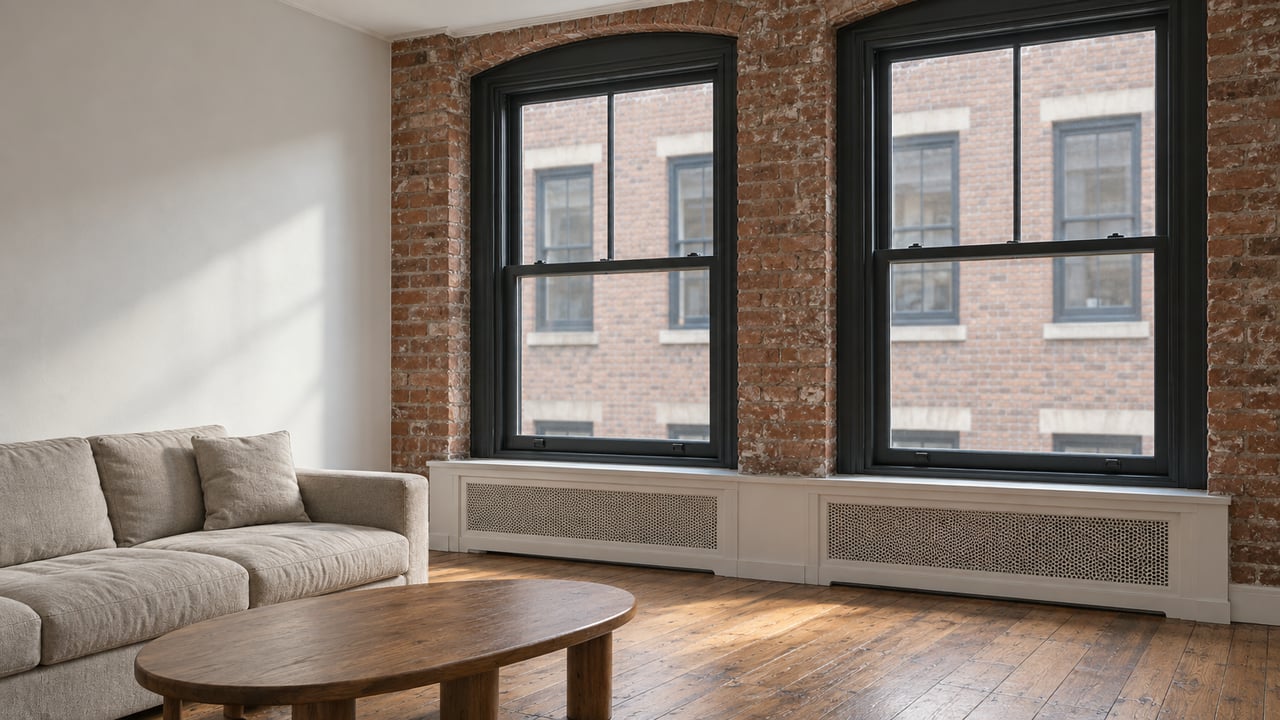
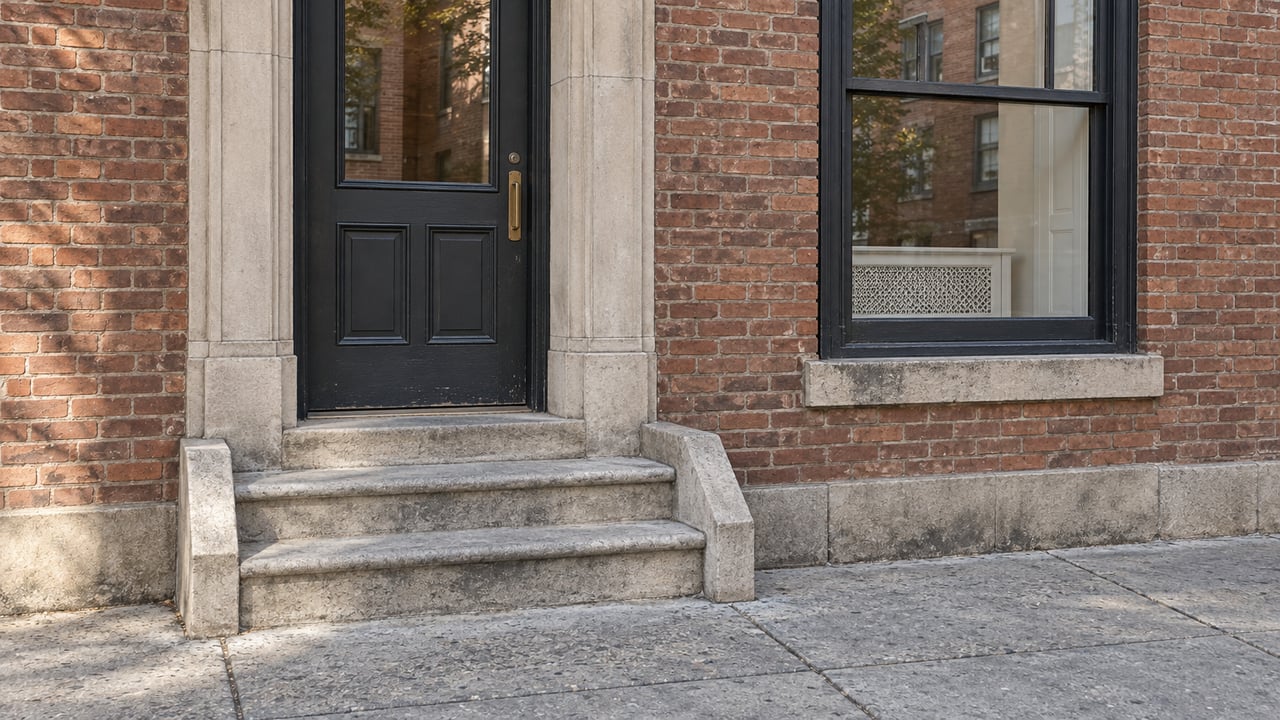
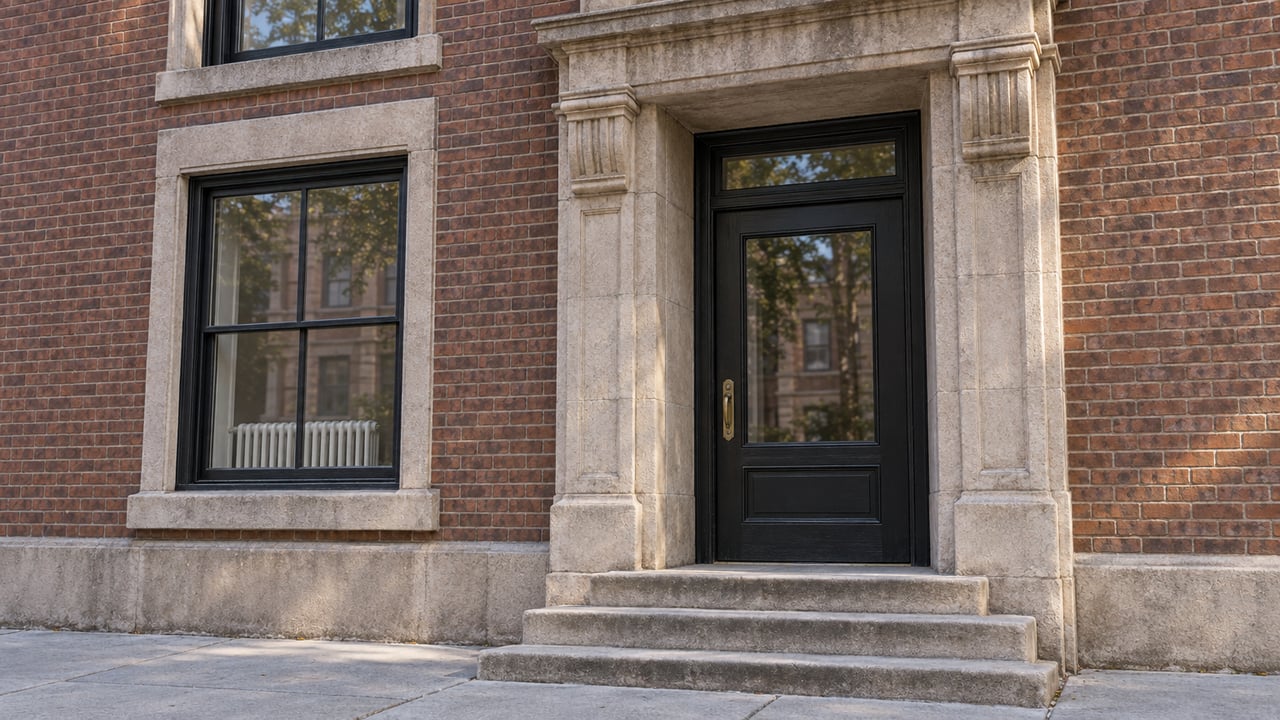
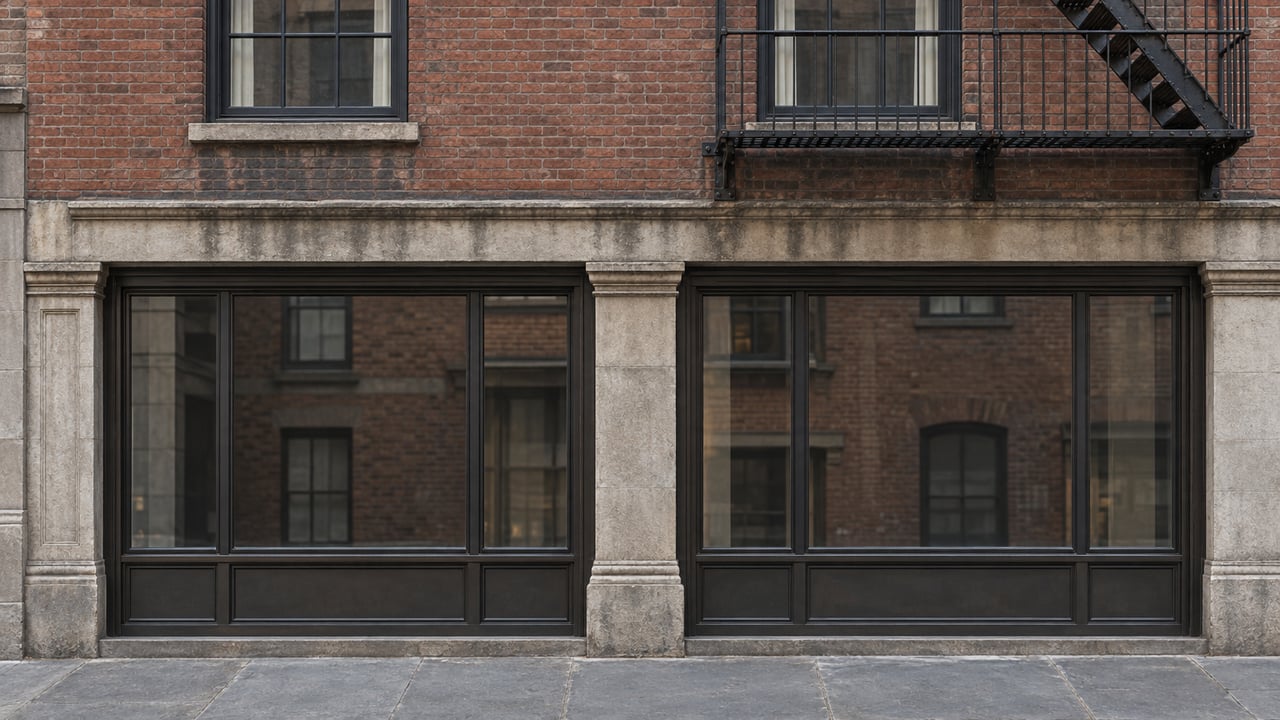
The Landmarks Preservation Commission’s Greenwich Village Historic District Extension report describes about 45 buildings in the extension spanning nearly two centuries, from 1819 to 2003. It documents early row houses, post-Civil War conversions from single-family homes into multiple dwellings, later tenements, apartment buildings, and warehouse-to-apartment conversions. That mix helps explain why home searches here often feel highly specific rather than interchangeable.
For you, that usually means more character-rich homes and less standardized inventory. Layouts, building styles, and apartment conditions can vary widely from one property to the next. If you value charm and individuality, that can be a major plus.
What Buyers and Renters Should Expect
West Village housing often appeals to people who want a home with personality and a strong sense of place. At the same time, older building stock can require a more thoughtful search process because no two options may feel quite the same.
Here are a few practical takeaways:
- Expect variety in layout, scale, and building type
- Be prepared for less uniform inventory than in newer neighborhoods
- Think carefully about which features matter most to your daily life
- Weigh charm and location against the realities of older buildings
That kind of evaluation benefits from a clear, data-informed approach, especially in a neighborhood where pricing and value can vary meaningfully from one block or building style to another.
Parks and Outdoor Space in West Village
Outdoor access is one of the biggest reasons West Village works so well for both professionals and families. The neighborhood benefits from two major open-space anchors that support exercise, recreation, downtime, and everyday convenience.
Hudson River Park’s Greenwich Village section was the park’s first completed segment. This stretch includes an uninterrupted esplanade, lawns, Pier 45 and Pier 46, family-oriented water and sand play areas at Pier 51, a dog park, three free hardcourt tennis courts, ballfields, outdoor dining, and a Citi Bike station. Hudson River Park also says the full park runs four miles along Manhattan’s west side and attracts more than 17 million visits each year.
Washington Square Park adds another major recreational resource nearby. City restoration materials and acreage listings describe it as a 9.749-acre park with a renovated playground, stage, pétanque courts, dog run, chess plaza, seating, and restrooms. Together, these spaces support many different routines without requiring a long trip.
Why Outdoor Access Matters Day to Day
If you are deciding where to live, park access is not just about scenery. It can shape how easy it is to fit movement, play, social time, and downtime into your week.
In West Village, nearby open space can support:
- Morning walks or runs
- After-work waterfront breaks
- Family outings close to home
- Dog walking as part of a normal routine
- Casual outdoor recreation on weekends
That convenience can be especially valuable if you want your neighborhood to support both productivity and balance.
Is West Village a Good Fit for Professionals?
For professionals, West Village tends to stand out for mobility, convenience, and atmosphere. The combination of transit access, walkability, and neighborhood-scale activity can make everyday life feel efficient without feeling overly rigid or corporate. You can move quickly when needed, but still come home to a place with a strong local identity.
The area may be especially appealing if you value being able to work long hours while still having access to parks, dining, and local services nearby. Instead of structuring every part of your week around long travel times, you may be able to keep more of your routine close to home. That can be a meaningful lifestyle upgrade.
At the same time, it helps to understand the tradeoffs. The neighborhood’s historic fabric contributes to its appeal, but it also means you will generally find less large, tower-style new-construction inventory. If your wish list depends on very uniform, newly built housing stock, your search may require more flexibility.
Is West Village a Good Fit for Families?
West Village can also be a strong fit for families who want city living with easy access to parks, playgrounds, and walkable daily needs. Hudson River Park and Washington Square Park give households multiple options for outdoor time, and the neighborhood’s transit access can simplify trips across Manhattan. If you want a home base that supports both weekday logistics and weekend outings, that can be a big advantage.
The neighborhood’s housing mix may also appeal to families looking for established residential blocks and homes with character. Because the inventory is varied, the search often comes down to finding the right layout and building type for your stage of life. That process usually benefits from careful screening and clear priorities.
One thing to keep in mind is that West Village can feel lively, especially near commercial streets and park edges. Some households see that energy as part of the appeal, while others may prefer a quieter feel. Knowing how you want your immediate surroundings to function is an important part of narrowing your options.
West Village Lifestyle Tradeoffs to Consider
No neighborhood is perfect for everyone, and West Village is no exception. Its strengths are clear, but so are the practical considerations that come with living in a highly desirable, historic Manhattan neighborhood.
The main tradeoffs from the research are straightforward. Historic building fabric limits the kind of large-scale, tower-style inventory you might find elsewhere, and foot traffic can feel heavier in some areas. If you love charm, walkability, and active public spaces, those factors may feel manageable or even appealing. If you want a more uniform housing experience or a quieter street environment at all times, they may matter more.
Before you decide, it helps to think through your non-negotiables. Ask yourself whether your top priorities are transit, open space, neighborhood identity, housing style, or a specific daily rhythm. The clearer you are, the easier it becomes to judge whether West Village truly fits.
How to Evaluate West Village Real Estate
In a neighborhood with varied housing stock and strong lifestyle appeal, real estate decisions often come down to nuance. Two homes can be close together geographically but offer very different experiences in layout, building style, access, and long-term fit. That is why a neighborhood-first approach matters.
When you evaluate West Village properties, focus on how each option supports your routine. Look at transit access, nearby park space, the feel of the immediate block, and how the building type aligns with your preferences. Then compare those lifestyle factors alongside pricing and market context.
A data-informed process can help you move past surface appeal and make a sharper decision. Whether you are buying, selling, renting, or evaluating long-term value, the right guidance can help you weigh charm, convenience, and tradeoffs with more confidence.
If you are exploring West Village real estate and want clear advice tailored to your goals, connect with Josue Gonzalez. You will get responsive, Manhattan-focused guidance backed by local market knowledge and a thoughtful, analytical approach.
FAQs
Is West Village a good neighborhood for professionals in Manhattan?
- Yes. West Village offers strong subway access, walkability, bike access, and neighborhood-scale convenience that can support a car-light routine.
Is West Village a practical choice for families in Manhattan?
- Yes. The neighborhood benefits from nearby open space including Hudson River Park and Washington Square Park, which can make outdoor time and family outings easier to build into daily life.
What types of homes are common in West Village?
- West Village housing includes a mix of older row houses, converted multi-dwelling buildings, tenements, apartment buildings, and warehouse-to-apartment conversions rather than a single dominant housing type.
Are there many parks and recreation options near West Village?
- Yes. Hudson River Park offers waterfront space, lawns, play areas, tennis courts, ballfields, a dog park, and more, while Washington Square Park adds additional recreation and seating areas nearby.
What is one tradeoff to consider about living in West Village?
- One key tradeoff is that the neighborhood’s historic building stock can limit large, uniform new-construction inventory, and some areas can feel busier due to foot traffic.