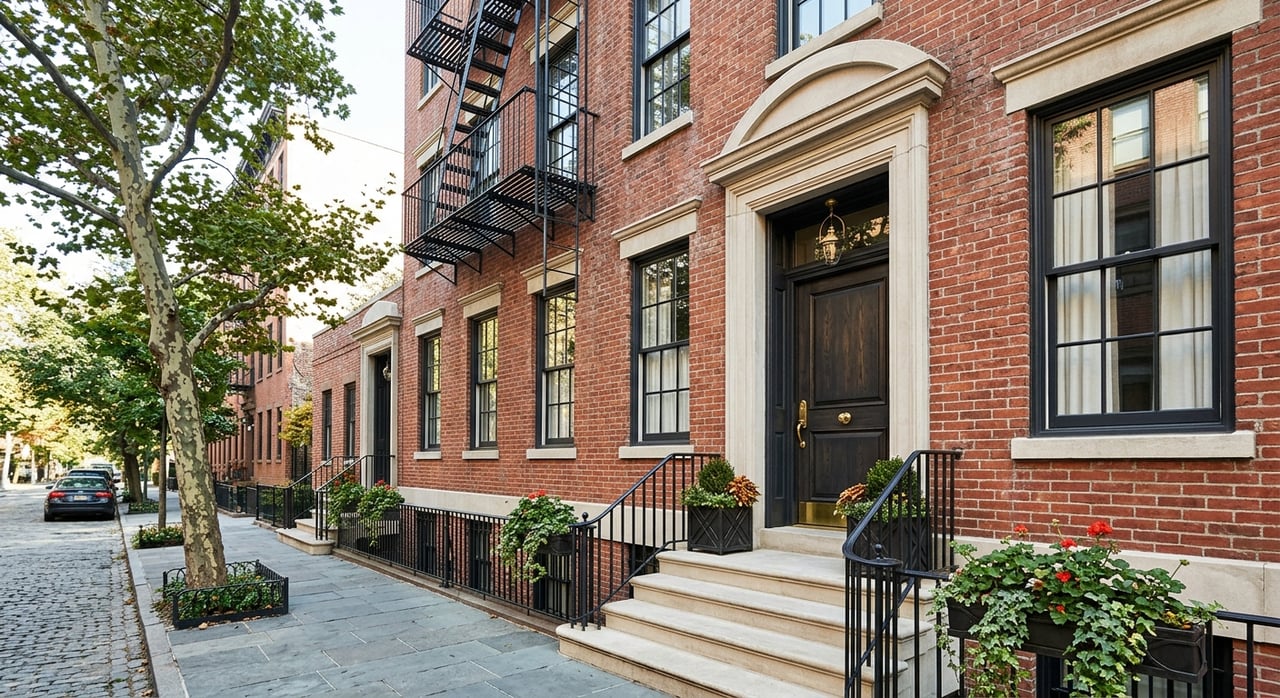
If you are thinking about renting in Gramercy Park, one thing helps to know right away: this is a tight Manhattan market where charm, location, and limited inventory can raise the stakes fast. You may be balancing budget, timing, and apartment features while trying to figure out what is actually realistic in this part of the city. This guide will show you what to expect on pricing, inventory, building types, application requirements, and lease timing so you can move with more confidence. Let’s dive in.
Gramercy Park rental market basics
Gramercy’s historic core sits around Gramercy Park, generally between 18th and 21st Streets and Park Avenue South to Third Avenue. The area developed from early single-family homes into apartment buildings, clubs, and many co-op buildings, which helps explain why the rental inventory feels both limited and varied.
That mix matters when you start your search. You are not looking at a neighborhood dominated by one building style or one price point. Instead, you will find everything from older walk-ups to larger apartment buildings, with some park-adjacent and co-op-based inventory commanding a premium.
What rents look like in Gramercy
If you are building a budget, the most useful takeaway is that Gramercy is expensive even by Manhattan standards, and exact averages can vary depending on the platform. Different listing sites use different filters and refresh schedules, so pricing is best viewed as directional rather than exact.
RentCafe’s April 2026 market snapshot puts the average rent at $4,158 overall, with studios at $3,857, one-bedrooms at $5,536, and two-bedrooms at $6,061. Zumper’s May 2026 figures come in higher, with a median of $6,350 overall, a one-bedroom at $5,647, and a two-bedroom at $6,000.
StreetEasy’s live listings show why renters should expect a wide spread. Current examples include a studio at $2,800, one-bedrooms from $4,450 to $7,500, two-bedrooms from $4,750 to $5,350, and a four-bedroom at $10,900. In other words, layout, condition, building type, and exact location can shift your monthly rent quite a bit.
Quick planning ranges
For many renters, these are the most practical benchmark ranges to keep in mind:
- Studios: often start in the mid-$3,000s
- One-bedrooms: often cluster in the mid-$5,000s
- Two-bedrooms: commonly approach or exceed $6,000
- Premium units: can run much higher, especially near the park or in more exclusive buildings
If you are targeting a very specific feature set, like in-unit laundry, doorman service, or a renovated kitchen, your search may narrow quickly.
Why rents vary so much here
One reason Gramercy can feel tricky is that the neighborhood does not offer a single, uniform rental experience. According to RentCafe’s neighborhood profile, 44% of rentals are in large apartment buildings with more than 50 units, 55% are in smaller complexes under 50 units, and only 0.8% are single-family rentals.
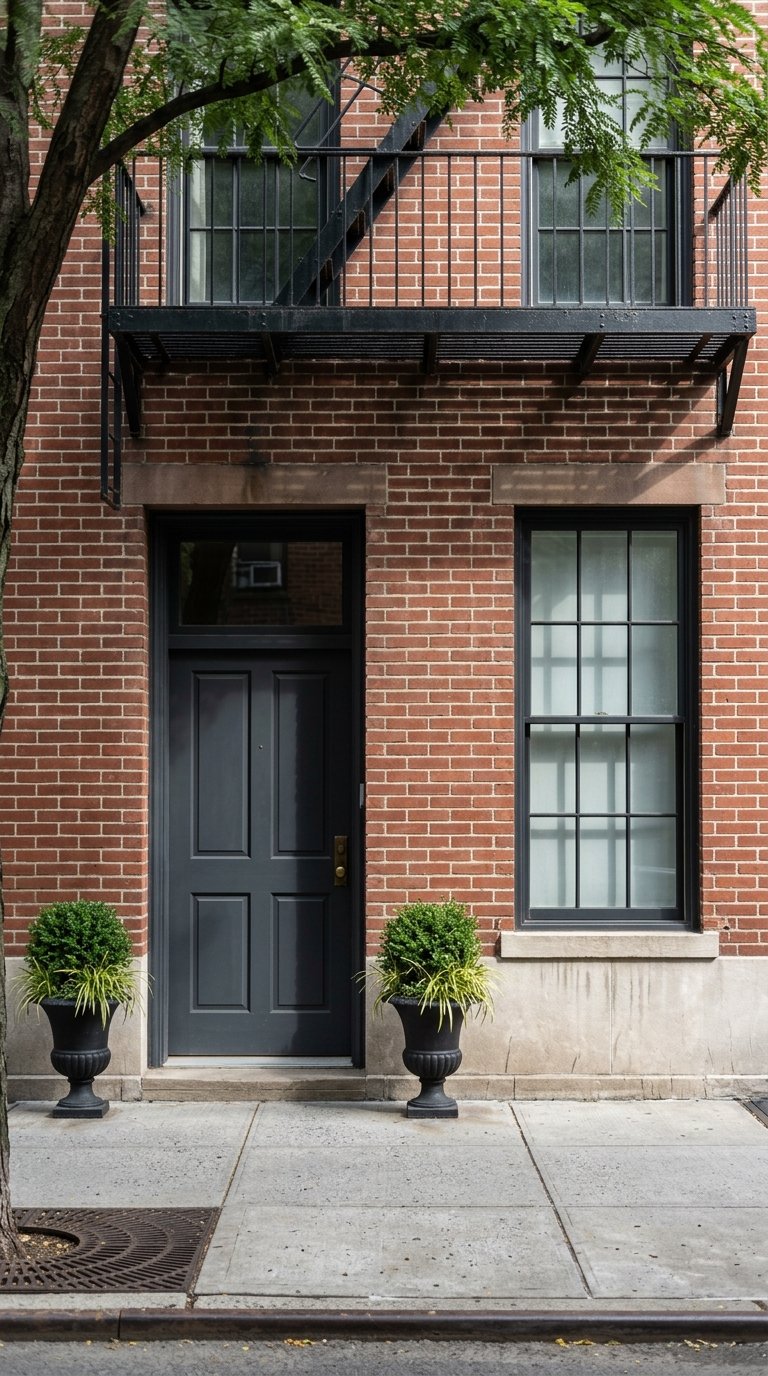
That means your apartment search may include very different product types in a small geographic area. You could see a basic prewar walk-up on one block and a full-service rental building nearby, each with very different pricing, finishes, and fee structures.
StreetEasy also notes that townhouses and high-end co-op buildings along the park tend to command the highest asking prices. As you move farther east, the housing stock shifts more toward walk-ups and lower-priced rentals.
Amenities you may or may not find
Gramercy offers a mixed amenity profile rather than a uniform luxury package. Current listings show options that may include:
- Pet-friendly policies
- Online application options
- In-unit laundry
- Parking
- Fitness centers
Still, you should not assume these features are standard. In many cases, renters here are choosing between location and convenience on one side, and newer amenities on the other.
How much inventory is really available?
Inventory in Gramercy Park is relatively modest. StreetEasy currently shows 65 rentals in the area, while RentCafe’s bedroom-based pages show 33 studios, 25 one-bedrooms, and 32 two-bedrooms.
Those numbers should be treated as directional. They still point to the same conclusion: this is not a neighborhood with endless choice, and the available inventory can turn over quickly.
If you are set on Gramercy, it helps to stay flexible on details like exact block, floor, or amenity package. A narrow wish list in a compact inventory pool can make the search take longer.
When to start your Gramercy search
In New York City, most apartments are listed about a month before move-in, and a typical lease is 12 months. That timing is especially important in a neighborhood like Gramercy, where well-priced listings can attract attention quickly.
A smart rule of thumb is to start your search roughly 30 days before your target move date. If you begin too early, many listings may not align with your timing. If you begin too late, you may feel rushed into a decision.
Best way to prepare
To stay competitive, you should be ready to:
- Monitor new listings closely
- Tour apartments quickly
- Compare total monthly cost, not just base rent
- Submit an application promptly if a unit fits your needs
In a fast-moving market, preparation often matters as much as budget.
What landlords usually want from applicants
Application standards in Manhattan are often straightforward but strict. Weill Cornell’s NYC rental guide notes that many landlords want annual income around 45 times the monthly rent, with 40x to 50x being common.
If you need a guarantor, the same source notes that guarantors may need to show income of 80x to 100x the monthly rent. Not every landlord follows the exact same threshold, but these numbers are useful planning benchmarks.
Documents to have ready
NYC rental applications commonly request proof of identity, rental history, income details, household composition, and consent for credit and background screening. NYC fair housing guidance also notes that landlords may use credit checks, work and landlord references, personal references, background checks, and interviews, as long as the same screening criteria are applied equally.
In practical terms, it helps to prepare:
- Government-issued ID
- Recent income documentation
- Employment information
- Rental history and landlord contact information
- References, if requested
- Guarantor paperwork, if applicable
Having your paperwork organized in advance can make the difference between landing a unit and missing it.
Fees and upfront costs to expect
New York City tightly regulates several upfront rental costs. Apartment application fees are capped at $20, and security deposits are capped at one month’s rent.
There is another important update for renters to know. The FARE Act, effective June 11, 2025, prohibits brokers who represent landlords from charging broker fees to tenants. Tenants can still hire their own broker, but landlord-side broker fees cannot be passed through to you.
That said, you should still read every listing carefully. Some platforms display base rent only, so it is worth confirming the full cost breakdown before you apply.
How Gramercy compares with nearby areas
If you are deciding between Gramercy and nearby neighborhoods, the price gap may not be as dramatic as you expect at first glance. StreetEasy’s nearby neighborhood panel places East Village at a median base rent of $4,650 and Murray Hill at $4,595.
That suggests Gramercy sits in a similar broad price band to nearby options. The difference is that park-adjacent blocks and historic co-op inventory can push certain Gramercy listings higher than the broader area average.
For renters, that means Gramercy can make sense if you value its distinct setting and building character. But if your budget is firm, comparing inventory just outside the core may open up more options.
What renters should expect overall
The clearest way to think about Gramercy is this: you are entering a relatively small, fast-moving Manhattan rental market with a broad range of building types and a premium attached to certain blocks and properties. You may not get endless choice, but you can find apartments that match very different lifestyles and priorities.
If you come in with realistic pricing expectations, complete paperwork, and a clear sense of your must-haves versus nice-to-haves, you will be in a much better position to act decisively. In a neighborhood like Gramercy, that preparation can save you time, stress, and missed opportunities.
If you are planning a move and want clear, data-backed guidance on what is realistic in today’s Manhattan rental market, Josue Gonzalez can help you evaluate options, compare neighborhoods, and move forward with confidence.
FAQs
What rent should you expect for a studio in Gramercy Park?
- A practical planning figure is the mid-$3,000s, though live listings can be lower or higher depending on building type, condition, and exact location.
What rent should you expect for a one-bedroom in Gramercy Park?
- Many one-bedrooms in Gramercy cluster in the mid-$5,000s, with some listings asking less and others rising well above that range.
How early should you start looking for a Gramercy Park rental?
- Most NYC apartments are listed about 30 days before move-in, so starting your search around one month in advance is usually the most practical timeline.
What income do landlords look for when renting in Gramercy Park?
- Many Manhattan landlords look for annual income around 45 times the monthly rent, with 40x to 50x commonly used as a benchmark.
What documents do you need for a Gramercy Park rental application?
- You should be ready with ID, income documentation, employment details, rental history, landlord contacts, and guarantor paperwork if a guarantor will be part of the application.
What upfront fees are allowed for Gramercy Park rentals?
- In NYC, application fees are capped at $20 and security deposits are capped at one month’s rent, and landlord-side broker fees cannot be charged to tenants under the FARE Act.