What actually adds resale value in a SoHo loft? In a market where buyers notice every detail, the answer is usually not the biggest renovation budget. If you own a loft in SoHo or are thinking about buying one to improve later, it helps to know which updates tend to strengthen value, which ones can be hard to recoup, and where local rules can change the math. Let’s dive in.
Why condition matters in SoHo
SoHo is one of Manhattan’s most design-sensitive markets, and buyers often compare homes through both a financial and aesthetic lens. StreetEasy’s 2025 year-in-review placed SoHo at the top of New York City’s sales market with a median asking price of $3,995,000, while its neighborhood data shows a median sale around $3.0 million and median days on market of 63.
That pricing backdrop raises the stakes for renovation decisions. In a neighborhood where buyers can choose between untouched lofts, partial updates, and fully renovated homes, condition becomes a major factor in where your property fits and how quickly it may sell.
SoHo lofts also have a distinct physical character. Many buildings were former textile factories, which is why open floor plans, high ceilings, and wide sightlines remain such a big part of buyer appeal.
SoHo buyers often pay for volume
In many neighborhoods, renovation value comes down to new finishes alone. In SoHo, buyers are often evaluating how well a home uses space, light, and original loft character.
That means the best renovation is often selective rather than heavy-handed. A loft that keeps its openness while improving privacy, storage, and flow may appeal more than one that carves the space into too many smaller rooms.
Open layouts still matter
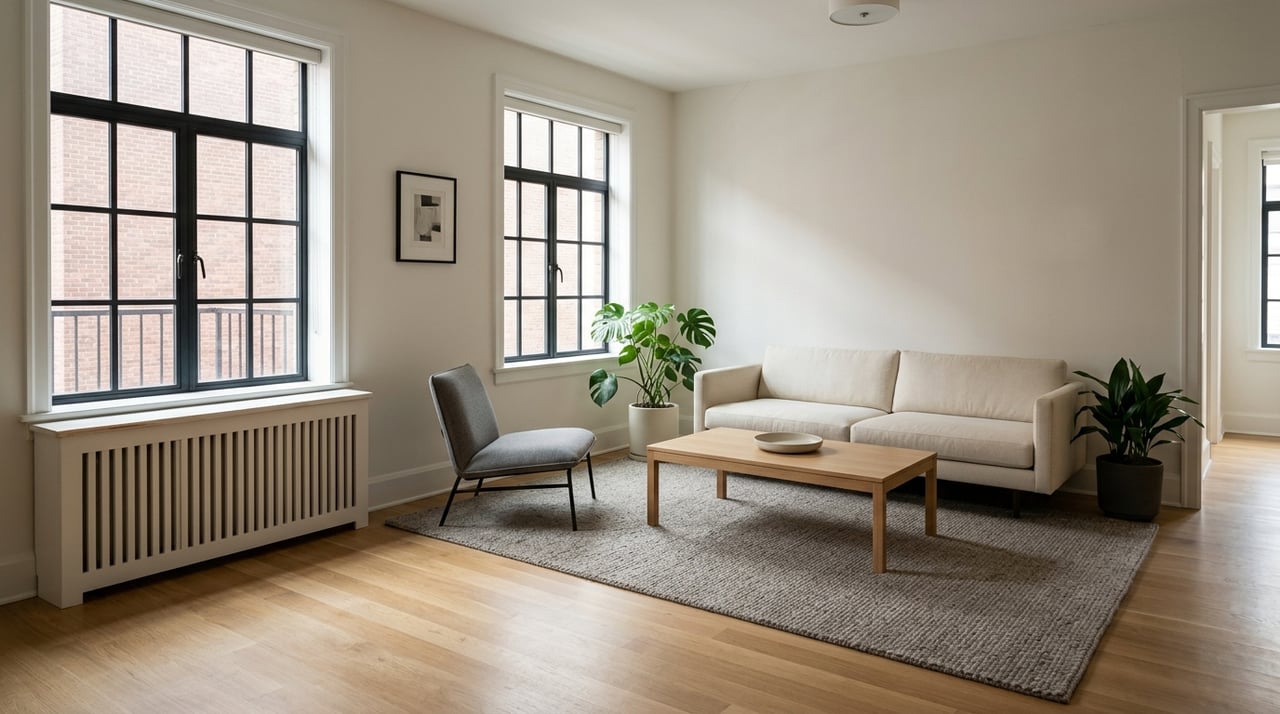
Recent SoHo listings continue to highlight open space, oversized windows, multiple exposures, and preserved details like columns and tin ceilings. That tells you something important about this market: buyers are not just shopping for a renovated apartment. They are shopping for a loft that still feels like a loft.
If you are renovating before resale, layout choices should support that identity. Better circulation, more functional bedroom placement, and smarter storage can help, but losing volume and daylight can work against you.
Original features help tell the story
SoHo’s appeal is closely tied to authenticity. Exposed brick, cast-iron pillars, pressed-tin ceilings, beams, and the rhythm of large windows are all features buyers continue to value.
A renovation that preserves those details while modernizing the home usually fits the neighborhood better than one that erases them. In practical terms, cleaner finishes and upgraded systems tend to work best when they still let the loft’s original architecture remain visible.
Renovations most likely to help resale
Not every project delivers the same return. In SoHo, the strongest value-add updates usually improve daily function and visual quality without pushing the home into an overbuilt price point.
Focus on kitchens and baths
Kitchen and bath updates are still important because buyers notice them quickly, and they influence how move-in ready a home feels. The most useful payback numbers available are regional rather than SoHo-specific, but they still offer a helpful guide.
Zonda’s 2025 Cost vs. Value report for New York, NY found that a minor kitchen remodel recouped 103.1% of cost. A midrange bath remodel recouped 76.5%, while a major midrange kitchen remodel recouped 46.9%. Upscale kitchen and bath projects came in lower at 33.8% and 40.1%, respectively.
The takeaway is fairly clear. In a high-cost market like SoHo, a focused refresh often makes more financial sense than an extensive luxury overbuild.
Prioritize visible function
Buyers tend to respond well to improvements they can feel immediately. That includes:
- Better kitchen workflow
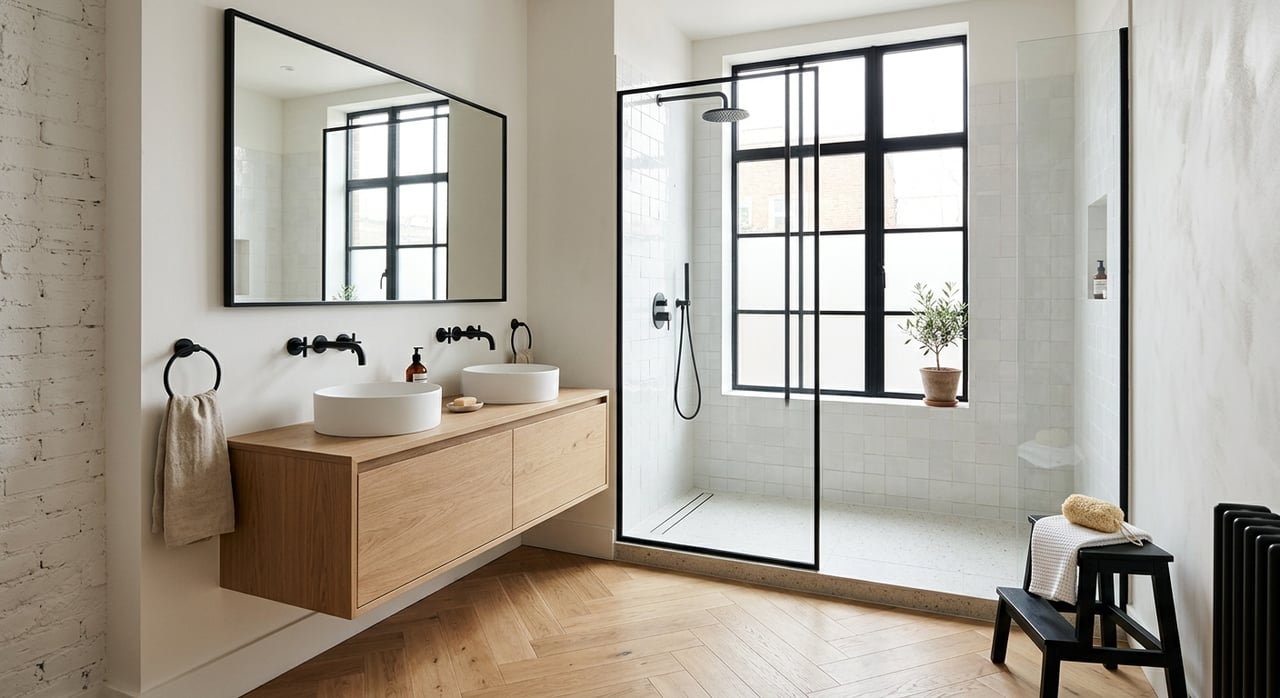
- Updated bath finishes and fixtures
- Improved storage
- Cleaner lighting plans
- Stronger circulation through the loft
These upgrades can make a home feel more polished and more usable without requiring the kind of scope that is difficult to recapture at resale.
Improve light without fighting the loft
Light is a major part of SoHo value. Recent listings continue to emphasize southern light, east light, and oversized windows, which shows how central brightness remains to marketing and buyer perception.
That makes lighting design, finish choices, and window treatments worth careful attention. Renovations that amplify natural light and preserve clear sightlines tend to align well with what buyers already want from a SoHo loft.
Renovations that may not pay back fully
The mistake many owners make is assuming that more expensive automatically means more valuable. In SoHo, that is not always true.
An ultra-custom renovation can still help a property stand out, but it may narrow the buyer pool if the design becomes too specific or the price target climbs too far above comparable homes. Even in a premium market, buyers usually compare your home against nearby alternatives that offer a similar amount of space, similar light, and similar building type.
If your renovation budget dramatically exceeds what the local comp set supports, full cost recovery can become harder. That is why the better question is often not, “Will I get every dollar back?” but rather, “Will this move my loft into a stronger set of comparable sales?”
Historic district rules can shape the project
Before you finalize a renovation plan, it is important to understand the approval landscape. SoHo is not just a style-driven market. It is also a protected historic district.
The Landmarks Preservation Commission map shows the SoHo-Cast Iron Historic District was designated on August 14, 1973, with an adjacent extension designated on May 11, 2010. New York City guidance states that owners in a landmark or historic district need LPC approval before work begins, including interior renovations when Department of Buildings permits are involved.
LPC approval can affect timing
Depending on the work, an interior renovation may fall under a Certificate of No Effect if it requires a DOB permit but does not change protected features. Larger changes may require a Permit for Minor Work or a Certificate of Appropriateness.
This matters because approvals can affect not only design choices, but also project timing and carrying costs. If resale timing is part of your strategy, these steps need to be factored in early.
Loft Law issues may also apply
Some former commercial loft buildings may also involve Interim Multiple Dwelling or Loft Law considerations. According to DOB guidance, alteration work can include conversions, egress modifications, and enlargements, and Loft Board coordination may be required before permits are issued.
That does not mean every SoHo renovation is unusually complicated. It does mean that scope, timing, and feasibility should be reviewed in layers: landmark status, building type, potential Loft Law status, and then the construction plan itself.
Co-op rules matter too
Many SoHo lofts are in co-op buildings, and renovation flexibility can differ from one building to another. StreetEasy notes that co-op rules are generally more numerous and strict than condo rules, and co-op buyers also need board approval.
That can affect both what you are allowed to renovate and how a future buyer experiences the transaction. If you are renovating with resale in mind, building governance is part of the value conversation.
How to benchmark resale value in SoHo
To estimate renovation impact, you need the right comparison set. In SoHo, that means matching not just square footage, but also condition, building type, layout, light, and ownership structure.
Recent verified sales show how wide the spread can be. At 351 West Broadway #3, a 2,600-square-foot loft sold on April 7, 2025 at $1,557 per square foot. At 62 Wooster Street #2B, a 2,472-square-foot loft sold on February 27, 2025 at $2,018 per square foot.
Another useful directional comparison is 515 Broadway #3A, which sold on March 31, 2026 at 3,000 square feet and $900 per square foot, and was described as a floor-through loft with substantial potential. Compared with 351 West Broadway, that points to a roughly 73% higher price per square foot for the renovated sale, though condition is not the only difference between those homes.
Use comps carefully
The cleanest way to analyze renovation value in SoHo is to compare:
- Renovated lofts to renovated lofts
- Unrenovated lofts to unrenovated lofts
- Similar building types to each other
- Similar ownership types to each other
Then adjust for factors like floor level, elevator access, light, outdoor space, and layout. This approach gives you a more realistic picture than relying on a single ROI headline.
A smart SoHo renovation strategy
If your goal is resale value, the strongest strategy is usually a balanced one. You want the home to feel updated, functional, and visually clean, while still preserving the scale and character that buyers expect from a SoHo loft.
In many cases, that means investing in selective layout improvements, a crisp kitchen refresh, updated baths, better storage, and lighting choices that support the architecture. It also means avoiding a renovation scope so elaborate that it outpaces the likely comp set.
For sellers, this is where data matters. A finance-informed pricing and renovation strategy can help you decide whether to renovate lightly, market the property as an opportunity, or complete more meaningful upgrades before listing.
If you are weighing a renovation against resale in SoHo, working from current loft comps, building rules, and realistic buyer expectations can help you make a smarter move. For tailored guidance on pricing, positioning, and what buyers are rewarding right now, connect with Josue Gonzalez.
FAQs
What renovations add the most resale value to a SoHo loft?
- In many cases, focused upgrades like a minor kitchen remodel, midrange bath improvements, better storage, improved circulation, and lighting enhancements offer stronger resale support than an extensive luxury overhaul.
Do historic district rules affect SoHo loft renovations?
- Yes. If your loft is in a landmark or historic district, LPC approval may be required before work begins, including some interior renovations that involve DOB permits.
Should you keep original loft details in a SoHo renovation?
- Usually, yes. Buyers often value preserved features like exposed brick, cast-iron columns, pressed-tin ceilings, beams, and oversized window patterns because they reinforce authentic loft character.
How should you compare SoHo loft resale value after renovation?
- The most useful method is to compare renovated lofts with other renovated lofts and unrenovated lofts with other unrenovated lofts, then adjust for light, floor, layout, elevator access, outdoor space, building type, and ownership type.
Are co-op renovation rules important in SoHo resale planning?
- Yes. Many SoHo lofts are co-ops, and building rules can affect renovation scope, approval timelines, and how easily a future buyer moves through the purchase process.