Selling a co-op in Greenwich Village is rarely as simple as tidying up, taking photos, and putting a price tag on the apartment. Between board requirements, building rules, historic district considerations, and New York closing costs, the process can feel layered fast. The good news is that with the right preparation, you can reduce surprises, present your apartment well, and move your sale forward with more confidence. Let’s dive in.
Understand the Greenwich Village Co-op Landscape
A Greenwich Village co-op sale comes with a structure that is different from a standard condo or house sale. In a co-op, you are selling shares in the corporation along with the assignment of the proprietary lease, not just the apartment itself. That means your buyer is not only evaluating the home, but also preparing for board review and building-specific requirements.
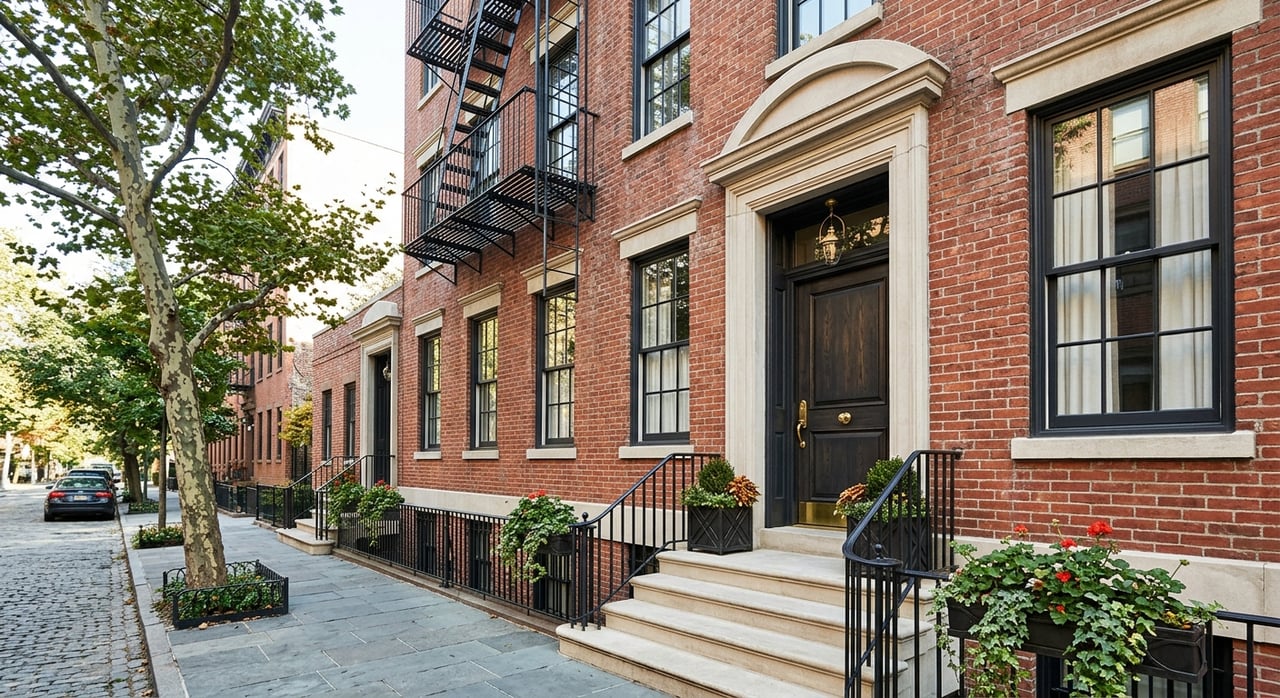
This matters even more in Greenwich Village because the neighborhood is heavily preservation-focused. The Greenwich Village Historic District, designated in 1969, covers more than 2,000 buildings over 65 blocks and remains the largest historic district in New York City. If your building is in a historic district, exterior changes often require Landmarks Preservation Commission review, so even small pre-listing projects should be checked carefully.
Start With Your Building Rules
Before you make repairs, schedule staging, or talk about timing, review your co-op’s governing documents. The by-laws and proprietary lease often control what work is allowed, what paperwork is needed, and how the board handles transfers. They can also shape what buyers are permitted to do after closing, which is often a major point of interest.
You should also confirm any building-specific sale procedures early. Some boards and managing agents have detailed package instructions, application fees, interview requirements, or move policies that affect your timeline. Knowing those steps upfront can help you avoid scrambling once you have an accepted offer.
Why rules matter before listing
Many sellers assume building rules matter after a deal is signed. In practice, they matter much earlier. Buyers often ask about renovation policies, sublet rules, maintenance structure, and board expectations before they feel comfortable making a strong offer.
If you can answer those questions clearly, your listing feels more credible and easier to buy. That kind of preparation can help reduce hesitation during negotiations.
Gather Co-op Documents Early
One of the smartest things you can do is organize your paperwork before the apartment hits the market. In a New York co-op sale, the board approval process requires more than a signed contract. Common transfer documents include the contract of sale, board consent to the assignment of the proprietary lease and shares, an assignment of the proprietary lease, a stock power, and, if the buyer is financing, a recognition agreement.
At closing, the corporation typically issues new stock and a new proprietary lease to the buyer. Because so many moving parts are involved, early document prep can save time later. It also signals to buyers and attorneys that your sale is being handled professionally.
Documents buyers and boards often expect
Beyond the formal transfer papers, buyers and boards commonly focus on financial readiness and documentation. Materials often reviewed include:
- Recent tax returns
- Bank statements
- Pay stubs
- Employment verification
- References
- Proof of funds
- Mortgage readiness documentation
As a seller, you may not provide every one of these items yourself, but you should understand the documentation environment your buyer will be entering. A well-qualified buyer with complete paperwork is often better positioned to move through board approval smoothly.
Organize Repair and Alteration Records
In Greenwich Village, clean records matter. Since co-op apartments are excluded from New York’s residential property disclosure form, your sale package is usually less about a state disclosure questionnaire and more about co-op records, board materials, and closing paperwork.
That is why it helps to gather maintenance records, alteration approvals, permit history, and information about any unresolved issues before listing. If past work was done without proper approval, or if there are open items that could surface in title work, the transaction can slow down even when the apartment shows beautifully.
Check landmark-related work carefully
If your building is landmarked or inside a historic district, exterior work may have required Landmarks Preservation Commission review. Ordinary repairs, such as replacing broken window glass, generally do not require review, but most exterior alterations do. If you are considering touch-ups before listing, make sure they align with both building rules and landmark requirements.
In many cases, a clean, well-documented apartment is more valuable than a rushed pre-sale renovation. Buyers in co-op buildings often care just as much about paperwork clarity and approval history as they do about cosmetic updates.
Price Off Sold Data, Not Optimism
Pricing is one of the most important decisions you will make, especially in a market like Greenwich Village where buyers are informed and inventory gives them options. Recent market data supports a comps-first strategy.
PropertyShark reported a Greenwich Village median sale price of $1.7 million in April 2026, with 59 transactions and a median price per square foot of $1,790. In that same report, Greenwich Village co-ops posted a median sale price of $1.2 million, up 15.6% year over year.
Zillow’s April 30, 2026 Greenwich Village page showed a median list price of $1,889,167, 161 active listings, and a median time to pending of 59 days. Those figures are useful, but they do not mean every seller should aim for the highest active asking prices. List-price data and sold-price data measure different things, and closed sales usually provide the stronger pricing foundation.
What Manhattan market conditions suggest
At the Manhattan level, Miller Samuel’s first-quarter 2026 report found that co-ops and condos had a median price of $1.225 million, with sales up 2.9% and listing inventory down 16.7% to 6,164. Months of supply stood at 7.0, and Manhattan co-op maintenance averaged $3,007 per month.
The takeaway is practical. The market is moving, but it is not the kind of market that consistently rewards aggressive overpricing. A precise pricing strategy based on recent comparable sales, building context, apartment condition, and monthly maintenance is usually the stronger path.
Expect Buyer Questions About Costs
Many Greenwich Village co-op buyers are focused on total monthly and closing costs, not just purchase price. One of the first questions you should be ready for is what the maintenance fee covers. In co-ops, maintenance commonly funds building expenses, property taxes, and sometimes the underlying mortgage.
Buyers will also want to understand how that maintenance compares with your asking price and with similar apartments in the neighborhood. If your apartment has a higher maintenance figure, your marketing and pricing strategy should account for that clearly.
Know transfer taxes early
Sellers should understand transfer taxes well before contract time. New York City real property transfer tax applies to transfers of cooperative housing stock shares. According to the city’s current structure, the rate is 1% up to $500,000 and 1.425% above that for residential co-op transfers.
New York State also imposes the base real estate transfer tax, which is generally paid by the seller. On the buyer side, a 1% mansion tax may apply when the purchase price is $1 million or more. These cost conversations come up early, especially with financially analytical buyers.
Build a Realistic Sale Timeline
A co-op sale in Greenwich Village often includes more administrative steps than sellers expect. In addition to marketing and showings, you may need attorney review, offer negotiation, contract preparation, buyer financial review, board package assembly, managing agent coordination, and final closing logistics.
If there are alteration records to track down or questions about prior work, the timeline can stretch. If landmark-related approvals are relevant to any pre-listing work, that can also affect timing. Planning ahead is one of the best ways to keep your sale from stalling.
Your attorney should be involved early
In New York, the listing agreement is a legally binding document, and the seller’s attorney should review it before it is signed. Agents typically handle the early offer and negotiation stage, while attorneys draft the formal contract. In a co-op sale, that legal coordination is especially important because the transaction includes board-controlled documents and building-specific procedures.
When your agent, attorney, and managing agent are aligned from the start, the process tends to be smoother. That coordination can make a meaningful difference once an offer is accepted and deadlines begin to matter.
Focus on a Board-Ready Buyer
The highest offer is not always the best offer in a Greenwich Village co-op. Because the sale typically requires board approval, buyer strength includes more than purchase price. Financial documentation, financing readiness, and the ability to submit a complete board package all matter.
A serious, well-prepared buyer can reduce the odds of delays and help your deal stay together. That is one reason why seller strategy in co-ops needs to balance pricing, presentation, and buyer qualification at the same time.
Why Preparation Pays Off
The most successful co-op sales usually feel orderly from the beginning. The apartment is presented well, the records are organized, the pricing is grounded in actual market data, and the building’s rules are understood before they become a problem.
In Greenwich Village, that preparation matters even more because neighborhood preservation rules and board oversight add real complexity. If you are planning to sell, a data-driven strategy and strong coordination can help you move from listing to closing with fewer surprises.
If you are thinking about selling your Greenwich Village co-op, Josue Gonzalez can help you price strategically, prepare your paperwork, and navigate the process with clear, responsive guidance.
FAQs
What makes selling a co-op in Greenwich Village different from selling a condo?
- A co-op sale usually involves selling shares in the corporation and assigning the proprietary lease, and the buyer typically needs board approval before the transaction can close.
What documents are important when preparing a Greenwich Village co-op for sale?
- Important materials can include co-op transfer documents, maintenance records, alteration approvals, permit history, and building-specific sale requirements.
What do Greenwich Village co-op buyers usually ask about first?
- Buyers often ask about board strictness, required financial documentation, monthly maintenance, renovation rules, and expected closing costs.
Do historic district rules affect a Greenwich Village co-op sale?
- Yes. If the building is in a historic district, many exterior changes require Landmarks Preservation Commission review, so pre-listing work should be checked carefully.
How should a Greenwich Village co-op be priced for sale?
- The strongest pricing approach is usually based on recent sold comparable properties, apartment condition, building context, and monthly maintenance rather than on active list prices alone.