Looking for a home that feels distinctly New York, not just polished and new? In NoHo, loft living offers exactly that mix of history, volume, and everyday function that many buyers find hard to replicate in a standard apartment. If you are weighing the appeal of character against the realities of comfort, this guide will help you understand what makes NoHo lofts special and what to look for before you make a move. Let’s dive in.
Why NoHo lofts stand out
NoHo has a smaller, protected historic core that helps it feel more intimate than some nearby loft districts. The neighborhood’s historic districts were designated in 1999, 2003, and 2008, preserving a compact collection of roughly 125 prewar buildings tied to New York’s retail and wholesale dry-goods era from the 1850s through the 1910s.
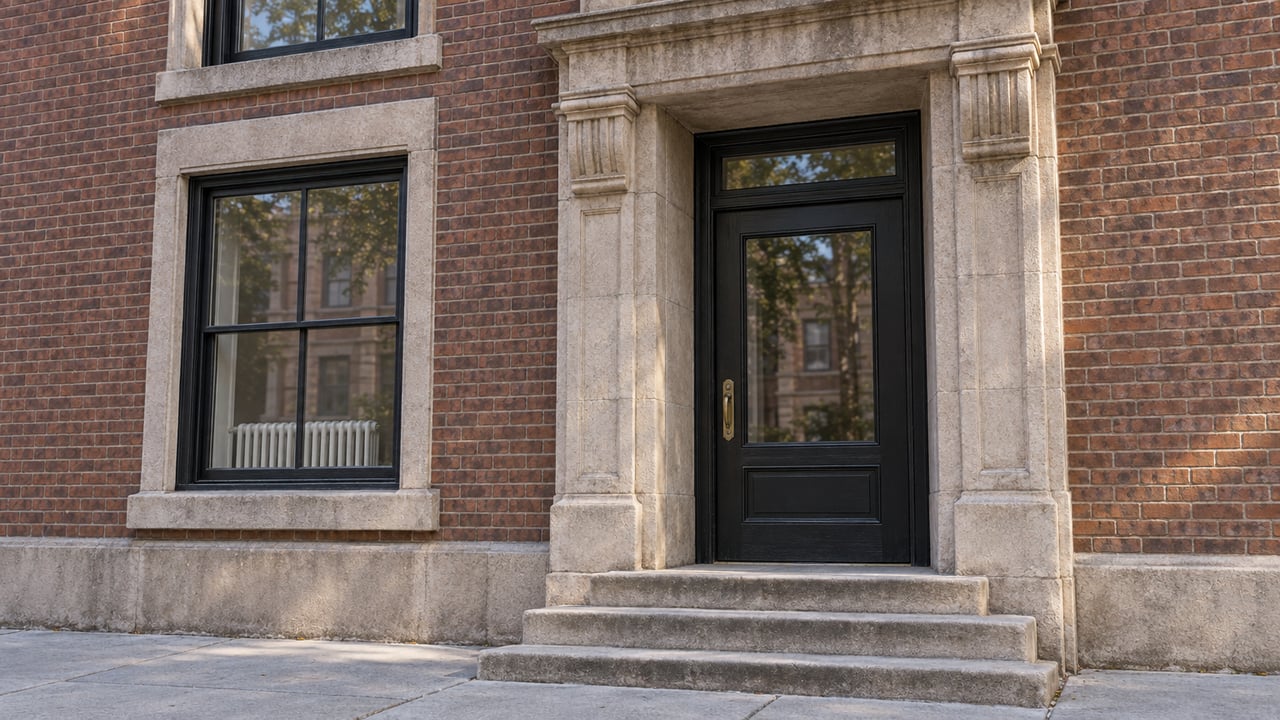
That history still shapes how the neighborhood feels today. Rather than reading like a generic loft district, NoHo shows a layered streetscape of marble, cast iron, limestone, brick, and terra cotta. The result is a neighborhood with visual depth and a strong sense of continuity.
How architecture shapes the loft experience
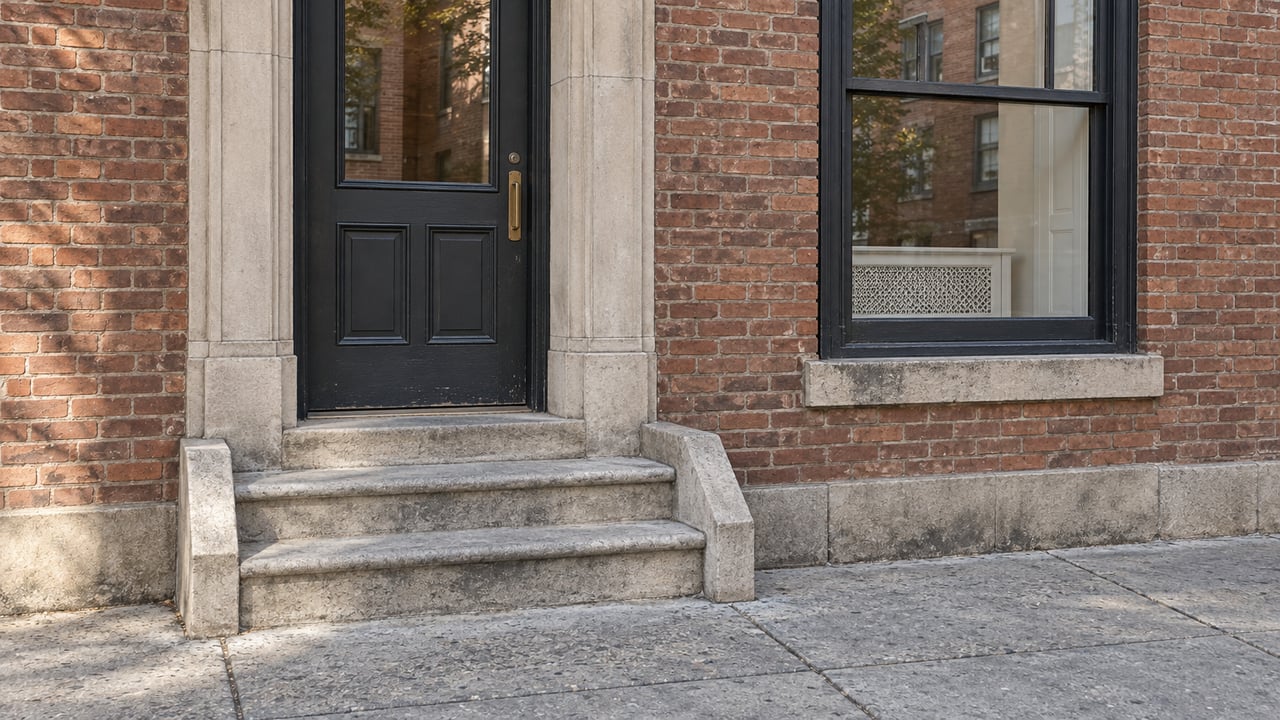
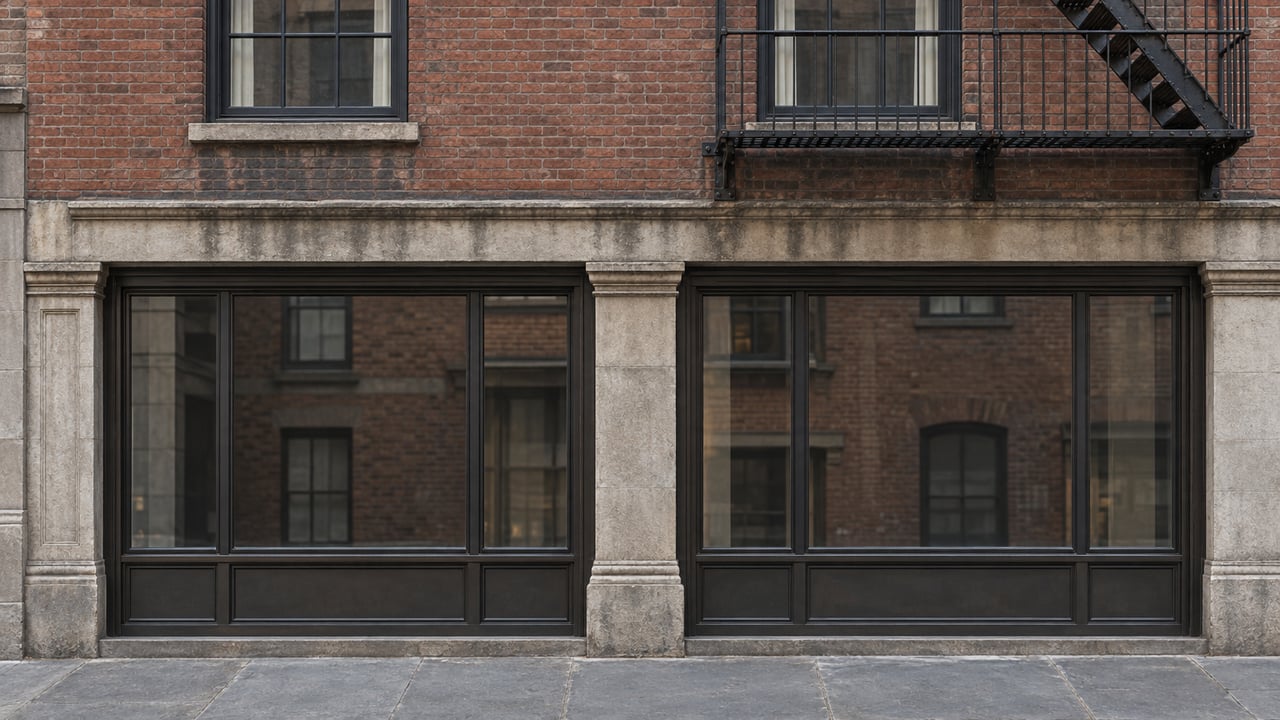
Many early NoHo store-and-loft buildings were about 25 feet wide and typically five stories tall. At street level, cast-iron storefronts were common, while upper stories often used marble or other masonry. These details were not decorative afterthoughts. They reflected the commercial use of the buildings at the time.
That original design still influences interiors today. Historic reports note features like open hoist-ways, side-wall stair circulation, and sidewalk vaults, which help explain why many NoHo lofts have deep floor plates and a real sense of volume. In practical terms, that often means a space that feels expansive in a way newer layouts may not.
NoHo also includes later cast-iron-fronted and steel- and iron-skeleton buildings from the 1870s through the early 1900s. Because the neighborhood developed over time, you will often see a richer mix of exterior materials and building styles than you might expect in a more uniform district.
What defines a true loft interior
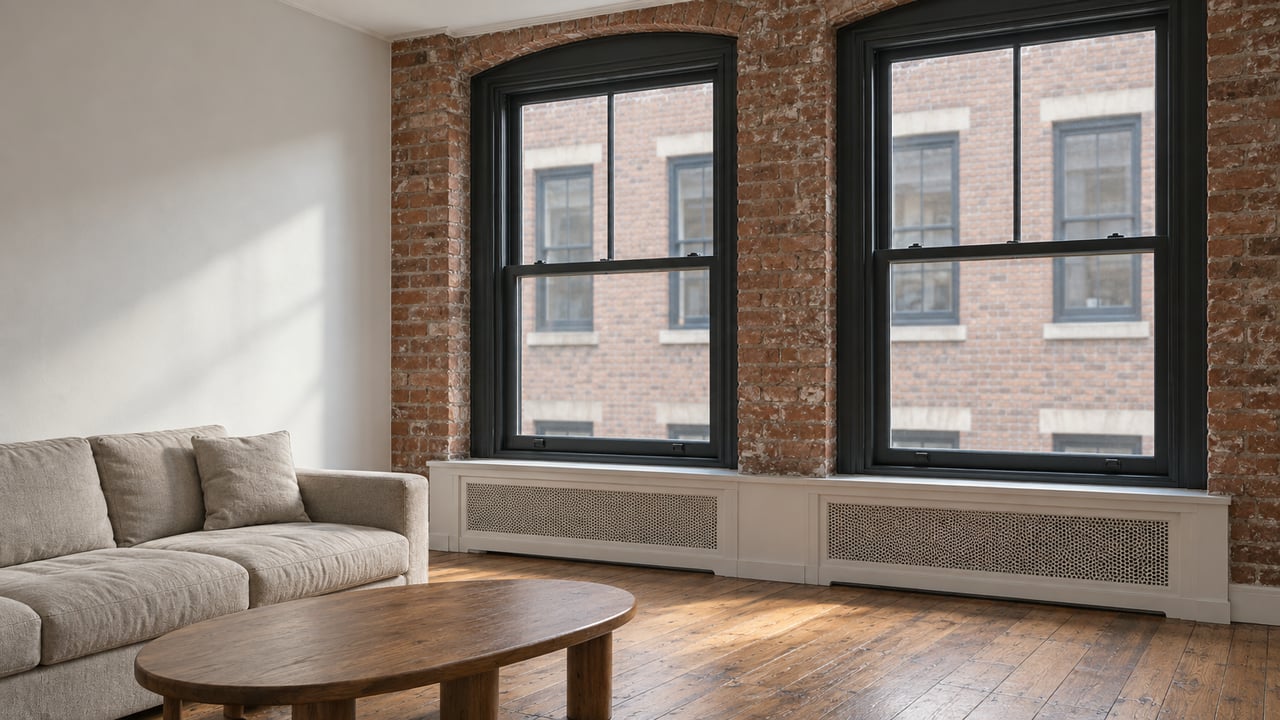
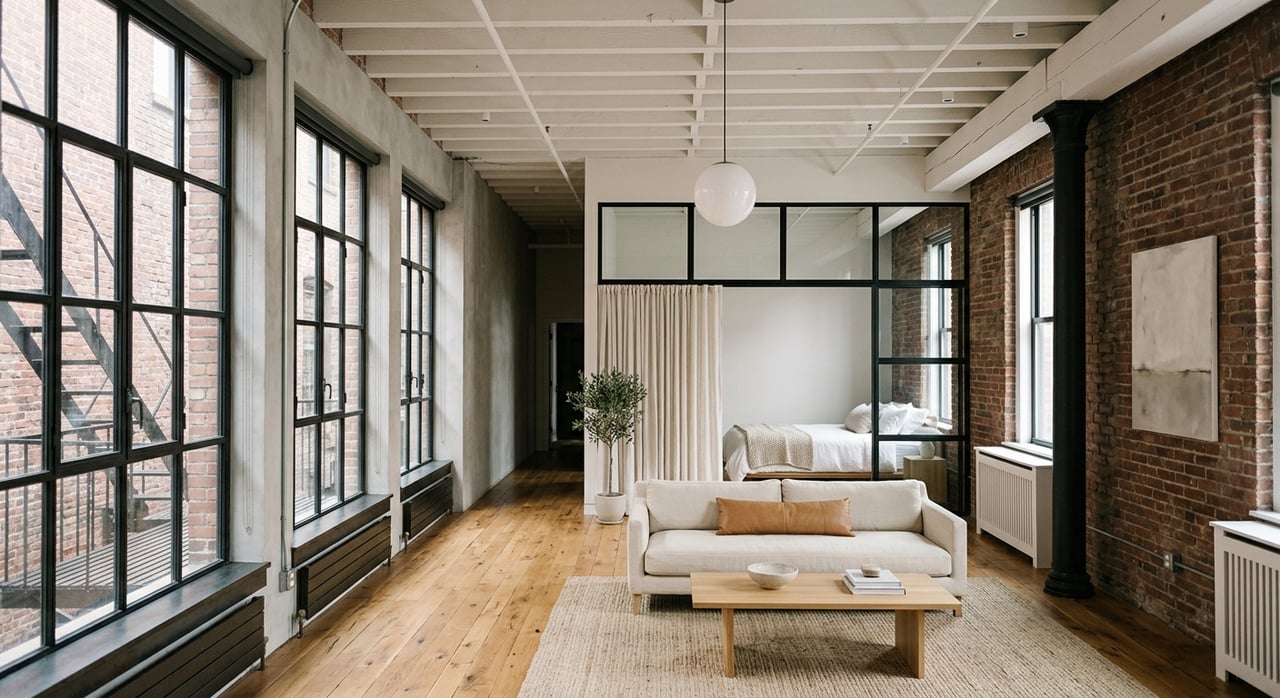
A true loft usually starts with a few core features: an open plan, high ceilings, large industrial-style windows, and visible structure. In many cases, that structure may include exposed brick, cast-iron columns, timber or steel beams, or masonry ceilings that remain part of the design rather than being hidden.
This is one reason lofts often feel larger than their square footage suggests. Even though the legal minimum clear ceiling height for habitable rooms in New York City is 8 feet, true lofts are often associated with ceiling heights in the 11- to 13-foot range. That extra vertical space can change the entire feel of a home.
Many NoHo lofts also blend historic fabric with updated finishes. You may find original masonry or structural elements paired with modern kitchens, renovated baths, and newer flooring. For buyers who want warmth and authenticity without giving up daily convenience, that balance can be especially appealing.
Character and comfort can coexist
Some buyers assume loft living means choosing style over comfort. In reality, many NoHo lofts are attractive because they combine architectural character with practical upgrades that support day-to-day life.
Large windows can bring in more natural light, while open layouts make it easier to adapt the space to your routine. A loft can feel ideal for entertaining, working from home, or simply enjoying more visual breathing room. At the same time, updated kitchens and baths can make the home function much more like a contemporary apartment.
The key is to look beyond the aesthetic. Two lofts may both have exposed brick and high ceilings, but their comfort level can feel very different depending on layout, renovations, and how thoughtfully the space has been configured.
Privacy is the main loft tradeoff
Open space is part of the appeal, but it can also be the biggest compromise. A loft’s flexible floor plan may reduce separation between sleeping, working, and living areas if the home has not been carefully divided.
The good news is that many lofts can be reconfigured because some have relatively few load-bearing elements. That flexibility gives owners room to create more privacy over time without losing the openness that defines loft living.
Smart ways lofts create separation
Design solutions can make a major difference in how a loft lives. Sliding glass or wood partitions, built-in millwork, and enclosed zones are common ways to carve out distinct areas while preserving daylight and flow.
These strategies can support a guest area, a home office, or more separation between public and private space. If you love the look of a loft but worry about function, layout potential should be part of your search criteria.
Why legal status matters in former loft buildings
In New York City, style should never be your only filter when evaluating a loft. Some former commercial buildings are still affected by New York’s Loft Law framework, which was created to regulate the conversion of former commercial or manufacturing space to residential use and bring units into code compliance.
For a buyer or renter, that means legal status and permitted use deserve careful attention. Before focusing on finishes or staging, it is worth confirming how the unit is classified and whether the building’s residential use is properly established.
This is where a detail-oriented advisor can add real value. In a neighborhood like NoHo, where history is part of the appeal, understanding the building’s status is just as important as understanding the floor plan.
NoHo compared with SoHo and Tribeca
NoHo shares historical DNA with other downtown loft neighborhoods, but it offers a different experience. SoHo is the larger and more widely known loft district, with about 500 buildings in its historic district and a long-standing identity tied to cast-iron architecture and retail-heavy streets.
Tribeca has its own loft appeal, shaped more by warehouse and commercial buildings and often read as more residential in character. Compared with both, NoHo feels smaller and more mixed in material and use.
For many buyers, that is exactly the draw. NoHo offers the loft aesthetic in a compact setting that can feel a bit less retail-saturated than SoHo, while still delivering the authenticity that comes from former commercial buildings adapted for residential life.
What to look for in a NoHo loft
If you are considering loft living in NoHo, it helps to evaluate the home through both a lifestyle and due-diligence lens. The most appealing space is not always the one with the most dramatic photos. It is the one that matches how you actually live.
Here are a few smart points to review:
- Ceiling height and window scale for overall openness and light
- Layout flexibility if you may need a home office, guest space, or added separation
- Original structural elements like brick, columns, or beams that give the home character
- Level of renovation in kitchens, baths, storage, and mechanical updates
- Building status and permitted use in former commercial or loft buildings
- Street context and building position if you are comparing quiet versus more active exposures
A loft can be incredibly rewarding when the details align. The goal is to find a space where the architecture supports your lifestyle, not just your wishlist.
Why guidance matters in a niche market
NoHo lofts are rarely one-size-fits-all. Each building, floor plate, and renovation tells a different story, and the right fit often comes down to understanding tradeoffs clearly from the start.
That is why an informed search matters. When you combine neighborhood knowledge with a careful review of layout, building history, and legal status, you can evaluate lofts with more confidence and avoid getting distracted by surface appeal alone.
If you are exploring loft living in NoHo, working with an advisor who understands Manhattan housing stock at both a neighborhood and building level can help you move faster and make sharper decisions. For tailored guidance on buying, selling, leasing, or valuing property in Manhattan, connect with Josue Gonzalez.
FAQs
What makes NoHo loft living different from SoHo loft living?
- NoHo is smaller, with a protected historic core of roughly 125 buildings, and it can feel more compact and less retail-focused than SoHo while still offering authentic loft architecture.
What features define a true loft in NoHo?
- A true loft often includes an open layout, high ceilings, large industrial-style windows, and visible structural elements like brick, columns, or beams.
What are the main tradeoffs of living in a NoHo loft?
- The biggest tradeoff is usually privacy, since open layouts can offer less separation between living, sleeping, and work areas unless the space has been thoughtfully configured.
Can a NoHo loft be redesigned for more privacy?
- Yes, many lofts can be adapted with partitions, built-in millwork, or enclosed areas that create more separation without giving up the open feel.
Why should buyers check legal status in a NoHo loft building?
- Some former commercial buildings may still fall under New York’s Loft Law framework, so buyers should confirm legal status and permitted residential use before focusing only on design.
Are NoHo lofts only for buyers who want historic details?
- No, many NoHo lofts blend historic elements with modern upgrades, which can appeal to buyers who want both architectural character and everyday comfort.