Wondering if the Financial District goes quiet the minute offices empty out? That used to be a fair question, but today’s FiDi tells a different story. If you are thinking about living here, it helps to know what the neighborhood actually feels like after work, where the energy clusters, and where the quieter pockets begin. Let’s dive in.
FiDi Is No Longer Just a 9-to-5 District
The Financial District has evolved into a true residential neighborhood, not just a business address. According to Downtown Alliance, Lower Manhattan now has an estimated 67,000 residents, 345 residential buildings, more than 34,000 residential units, and nearly 2,000 more units under construction south of Chambers Street.
That growth matters because it changes how the neighborhood functions after hours. FiDi now supports a real daily routine for residents, with homes, dining, shopping, public spaces, and transit all working together in a way that feels more lived-in than many people expect.
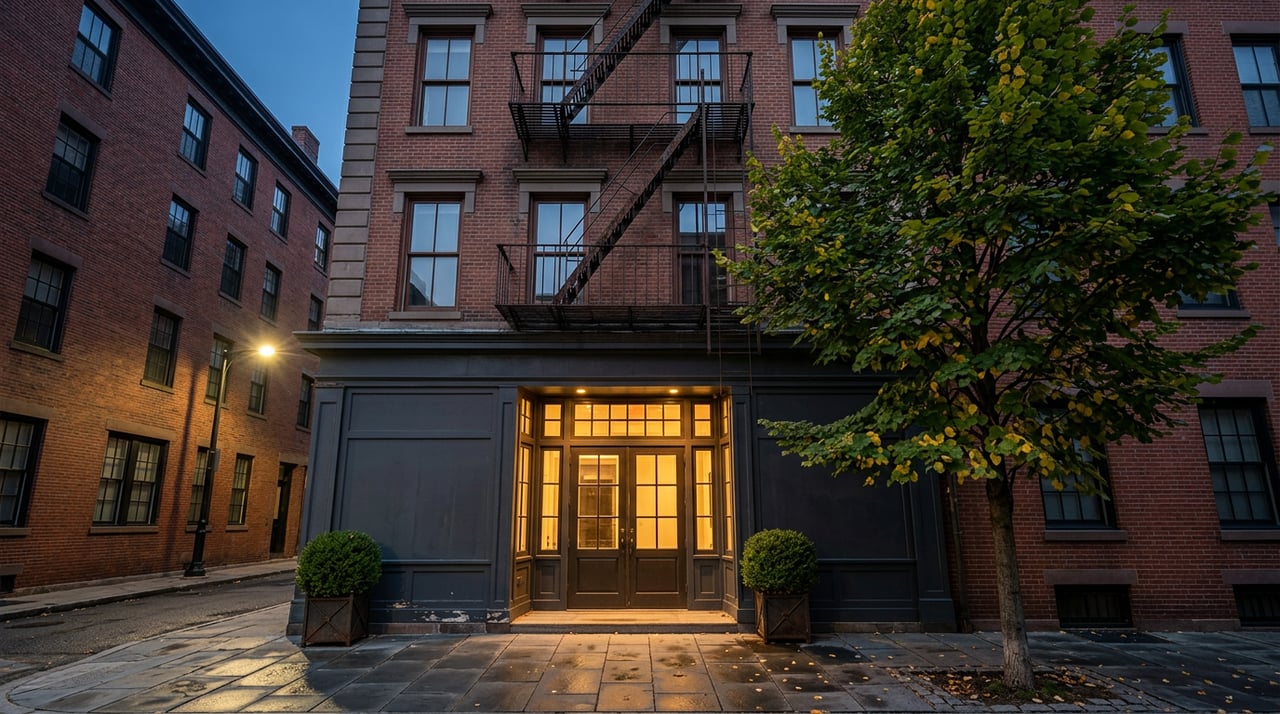
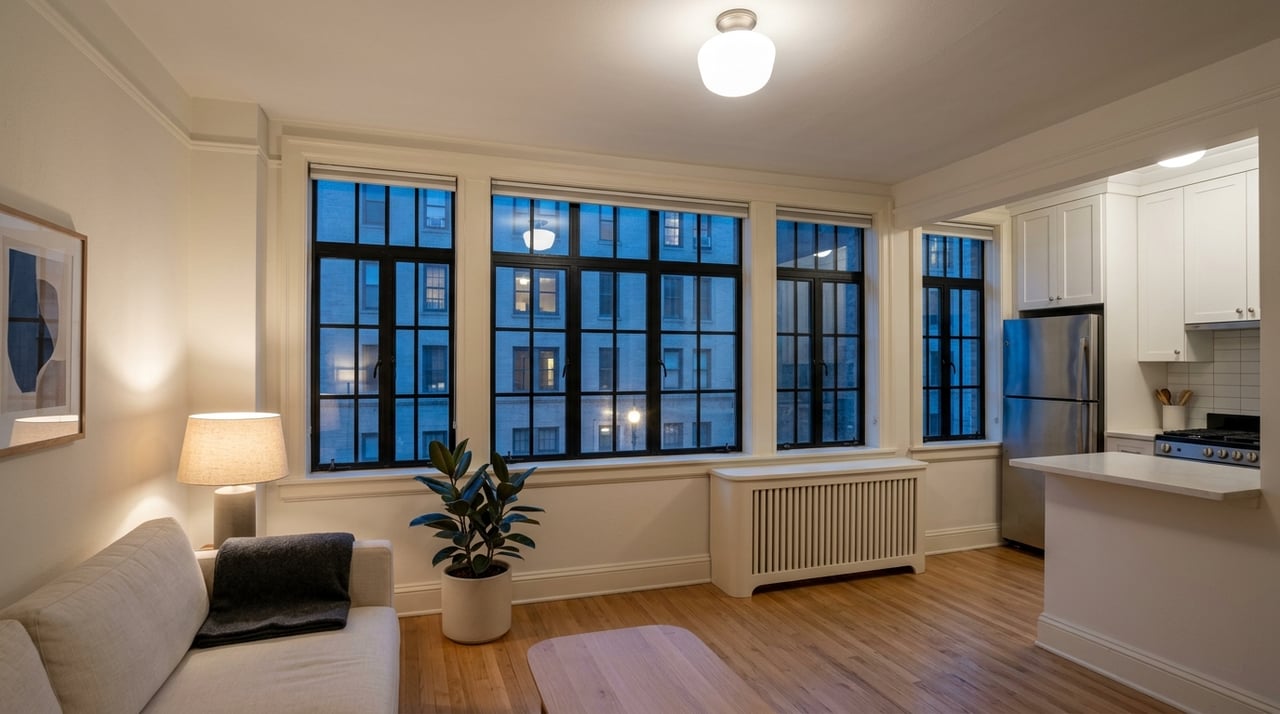
You also see that change in the housing mix. Since the area has grown through both office-to-residential conversions and new development, the building stock can feel varied from block to block. You may find older loft-style conversions, newer full-service towers, and amenity-rich high-rises all within a short walk.
What Evenings in FiDi Actually Feel Like
If you are picturing nonstop nightlife on every corner, FiDi may surprise you. The after-hours scene is active, but it is concentrated in a few key areas rather than spread evenly across the neighborhood.
In practical terms, FiDi tends to be dinner-first rather than party-first. You have plenty of options for meeting friends, grabbing a good meal, or taking a walk by the water, but many side streets quiet down faster than the busiest corridors.
That rhythm is part of the appeal for many buyers and renters. You get access to activity when you want it, but you are not necessarily stepping into constant street noise the moment you leave your building.
Stone Street Is the Best-Known Social Hub
If there is one stretch that defines post-work FiDi, it is Stone Street. Downtown Alliance describes it as Lower Manhattan’s restaurant row and one of the area’s hottest happy-hour scenes.
That gives the neighborhood an easy, reliable social anchor. If you want cocktails, wine, or a casual dinner in a lively setting, Stone Street is often the first place residents think of.
It is also a good example of how FiDi works overall. Instead of one seamless nightlife district, you have pockets of energy that draw people in, while other nearby blocks stay noticeably calmer.
Oculus Adds Activity, Even After Work
The World Trade Center area plays a bigger role in after-hours life than many people realize. The Oculus is a major transit hub, but it also functions as a social and retail anchor with dining, shopping, and regular programming.
Port Authority says the Oculus serves more than a million people each week and hosts events such as farmers' markets, art exhibits, musical performances, and retail activations. Seasonal programming, including things like the Oculus Beer Garden, helps give the area a more social feel into the evening.
That said, it is helpful to set expectations. The official WTC pages list standard retail and dining hours at Westfield Shops and Dining, so this is not an all-night environment. It is better understood as a convenient and active center for errands, meals, and occasional events.
Brookfield Place Offers a Polished Night Option
On the west side of the district, Brookfield Place gives FiDi residents another strong after-hours destination. The complex spans 14 acres along the Hudson River and includes more than 40 shops and services, over a dozen fast-casual options, and seven restaurants.
What makes Brookfield Place especially useful is the mix of atmosphere and convenience. You can meet someone for dinner, browse shops, or spend time in the Winter Garden, which is open 24/7, without needing to leave the neighborhood.
For residents, this creates an appealing middle ground. It is more polished and indoor-oriented than a quick street stop, but still easy enough to fold into a normal weeknight.
The Seaport Expands Your Evening Options
To the east, the South Street Seaport adds another layer to life in FiDi. The area brings together waterfront scenery, cultural programming, and food-driven destinations like the Tin Building, which includes more than 20 restaurant, bar, grocery-market, retail, and private-dining experiences.
This part of downtown tends to feel more like a destination than a default extension of every FiDi block. It is ideal when you want a waterfront dinner, a weekend outing, or a change of pace without going far.
That distinction matters if you are choosing where to live. FiDi gives you easy access to the Seaport experience, but living in FiDi itself usually feels more practical and transit-centered than entertainment-led.
Waterfront Access Is a Real Daily Perk
One of FiDi’s biggest strengths after hours is how easy it is to get outside near the water. This is not a neighborhood where waterfront access feels like a special event. It can be part of your normal routine.
The Battery offers 25 acres of public open space at the southern tip of Manhattan, with harbor views, bike paths, lawns, and everyday places to sit or walk. On the east side, the Wall Street and Pier 11 area includes a publicly accessible East River walkway with seating and water views.
That adds balance to the neighborhood. If your day ends with a packed subway ride or long office hours, having a quick reset by the water can make FiDi feel more livable than its business-district reputation suggests.
Transit Makes After-Hours Living Easy
FiDi’s transit network is one of its clearest lifestyle advantages. The Oculus connects to 12 subway lines and the World Trade Center PATH station, while nearby stations serve the 1, 2, 3, 4, 5, A, C, E, J, Z, R, and W lines.
That level of connectivity changes how the neighborhood functions at night. You can leave for dinner, meet friends in another part of Manhattan, commute to New Jersey, or catch a ferry home without much friction.
NYC Ferry service from Wall Street and Pier 11 adds another option, with routes serving the East River, Rockaway, Soundview, South Brooklyn, and Astoria lines. Depending on route and season, service runs roughly from 5 a.m. to 10 p.m., which can be especially useful if you value flexibility in how you move around the city.
Building Amenities Matter in FiDi
When buyers compare FiDi buildings, the street itself is only part of the story. The in-building experience can vary dramatically, and that often shapes daily life just as much as the neighborhood outside.
FiDi includes everything from simpler conversion buildings to highly amenitized towers. Some buildings offer a more basic residential setup, while others include features like pools, co-working areas, fitness clubs, lounges, playrooms, dining spaces, valet service, and pet-focused amenities.
That means your lifestyle match may come down to building package as much as location. If you want the option to work from home, exercise without leaving the property, or host in a resident lounge, FiDi has inventory where those features are part of the value proposition.
FiDi Compared With Nearby Downtown Areas
FiDi makes more sense when you understand what it is not. It is not as consistently village-like as Tribeca, and it is not as promenade-centered as Battery Park City.
Instead, FiDi works more like a network of activity nodes. Stone Street, the Oculus, Brookfield Place, and the Seaport each bring different kinds of energy, while many side streets transition to a quieter residential feel earlier in the evening.
For a lot of people, that is exactly the draw. If you value commute flexibility, strong transit, waterfront access, and full-service buildings more than constant street-level buzz, FiDi can be a smart fit.
Who Usually Likes FiDi After Hours
FiDi tends to appeal to people who want efficiency without giving up lifestyle. You may appreciate it if your priority is getting around Manhattan and New Jersey easily, having dinner and drinks nearby, and being close to the water without living in a purely entertainment-focused area.
It can also work well if you prefer choosing your social scene rather than living in the middle of it every night. The neighborhood gives you options, but it does not demand that every evening feel high-energy.
From a housing perspective, that often makes FiDi attractive to buyers and renters who care about building services, practical convenience, and the ability to move between work, home, and leisure with minimal friction.
The Bottom Line on FiDi at Night
Living in the Financial District after hours is less about nonstop nightlife and more about smart access to multiple lifestyles. You have dining nodes, waterfront walks, major transit, and a growing residential base that makes the neighborhood feel more complete than its old reputation suggests.
The key is knowing your preferences. If you want a neighborhood that stays active in focused pockets, offers strong convenience, and often delivers robust building amenities, FiDi can check a lot of boxes.
If you are weighing FiDi against other downtown Manhattan neighborhoods, a data-driven, street-by-street and building-by-building view can make the decision much clearer. If you want help comparing options, reach out to Josue Gonzalez for thoughtful guidance tailored to your goals.
FAQs
What is the Financial District like after work for residents?
- FiDi is active after work, but the energy is concentrated in key areas like Stone Street, the Oculus, Brookfield Place, and the Seaport rather than spread across every block.
Is the Financial District a good place to live if you want nightlife?
- FiDi offers dining, drinks, and evening activity, but it is generally better for people who want access to social spots without living in a nonstop nightlife district.
What are the best after-hours areas near the Financial District?
- The main after-hours destinations are Stone Street for dining and happy hour, Brookfield Place for dining and indoor public space, the Oculus for events and convenience, and the Seaport for waterfront outings.
Does the Financial District feel residential at night?
- Yes. Lower Manhattan has a substantial and growing residential population, and many FiDi side streets feel quieter and more residential after the busiest office and visitor periods.
How important are building amenities in Financial District apartments?
- Building amenities can be very important in FiDi because the housing stock ranges from simpler conversions to highly amenitized towers, so the in-building lifestyle can vary widely from property to property.
Is transit in the Financial District useful after hours?
- Yes. FiDi has extensive subway, PATH, and ferry access, which makes it one of Manhattan’s most flexible neighborhoods for getting around after work and into the evening.