Buying a co-op in Greenwich Village can feel like learning a new language. You are not just buying an apartment, you are buying into a building’s culture, rules, and financial standards. The good news is that once you understand how co-ops work here, you can move decisively and position your offer to win. In this guide, you will learn the key financial benchmarks, documents you need, the timeline you should plan for, and smart ways to strengthen your application. Let’s dive in.
Co-ops in NYC, explained
A co-op is a corporation that owns the building. You buy shares in that corporation, and those shares give you a proprietary lease to live in a specific apartment. The New York State Attorney General’s overview of cooperatives breaks down this structure clearly.
For you as a buyer, this means there is a second approval layer beyond your lender. Most buildings require a board application and interview. Boards can set rules on financing, post-closing liquidity, subletting, pets, and more, as outlined in this primer on NYC co-ops and condos. The board’s standards vary by building, so confirm requirements early.
Why Greenwich Village co-ops are unique
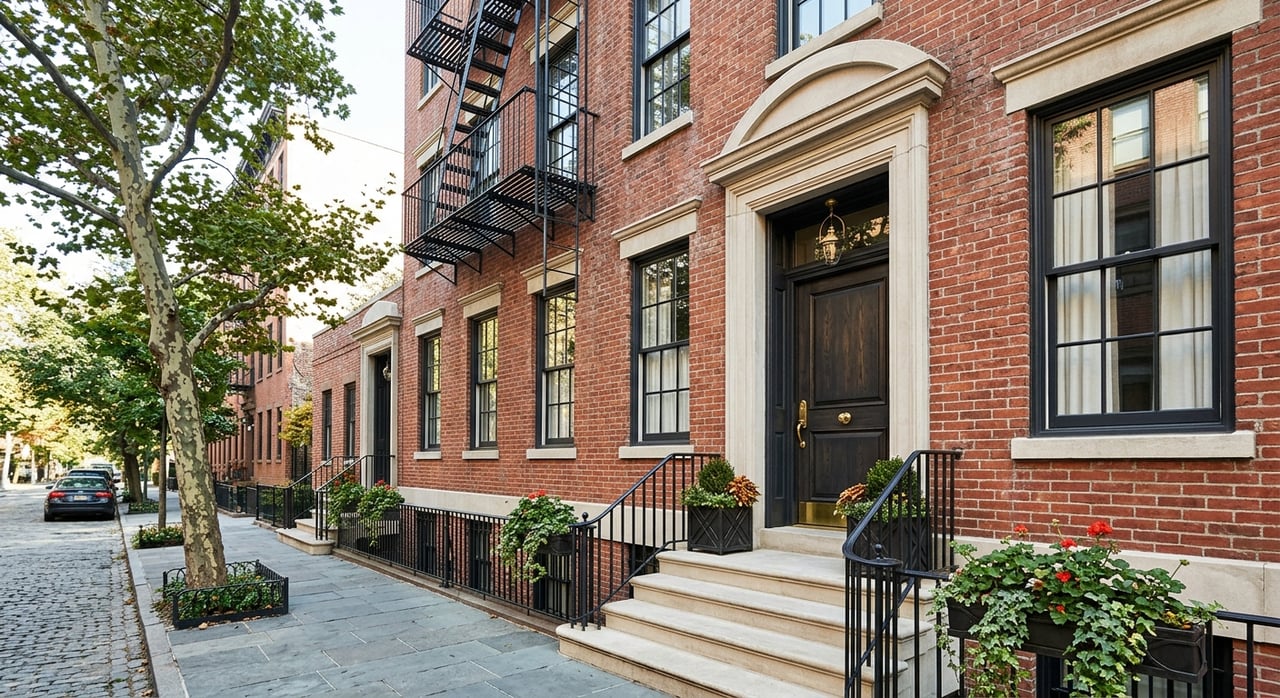
Greenwich Village is rich with prewar and boutique buildings. The neighborhood’s housing stock includes many smaller co-ops with distinct cultures and limited inventory. The Furman Center’s Greenwich Village/SoHo profile shows home prices above the city median and a large share of older buildings, which helps explain why co-ops remain common here.
Inventory and board culture
Boutique buildings often have tighter boards and more variable sublet policies. Many are prewar with older systems, which can influence maintenance levels and assessments. It is wise to ask about any upcoming capital projects and to read recent board minutes before you commit.
Sponsor and “no board” scenarios
Sponsor sales sometimes bypass the traditional board interview, which can speed up the process. Policies differ by building, so verify whether a listing is a sponsor sale and if it requires board approval. Guides on how to buy a co-op in NYC explain how sponsor transactions can change the timeline.
What it really costs to buy a Village co-op
Co-ops layer board standards on top of lender underwriting. Plan conservatively.
- Down payment. Many boards expect at least 20 percent, and in selective Manhattan co-ops you often see 25 to 50 percent or all-cash purchases. Treat these as planning ranges and confirm the building’s actual rule. See the ranges discussed in this co-op vs condo guide.
- Debt-to-income (DTI). Boards commonly prefer total monthly housing costs around the mid 20s as a percent of gross income, often about 25 to 30 percent. Lenders may allow higher, but the board’s standard controls your approval odds. Reference the same NYC co-ops and condos guidance when budgeting.
- Post-closing liquidity. Many Manhattan boards want to see 12 to 24 months of mortgage plus maintenance remaining in liquid reserves after you close, although some buildings accept less. This NYC co-op buying guide details why reserves matter so much to boards.
Pro tip: higher down payments, stronger liquidity, or an all-cash structure typically shorten approval timelines and lift your odds of success.
The timeline from offer to keys
Expect a longer process than a condo purchase because of board review. A typical co-op purchase runs roughly 8 to 16 weeks from contract to closing, with some faster sponsor or cash deals. The major timing drivers are your bank’s commitment and the board’s review pace, as laid out in this overview of NYC co-op closing timelines.
Pre-offer prep
Before you write an offer, line up finances and building intel.
- Get a lender pre-approval or proof of funds for cash offers.
- Ask for building rules, recent board minutes, and financials.
- Start a REBNY Financial Statement, the standard two-page summary boards expect. You can preview the format in this REBNY Financial Statement guide.
Board package assembly
Once your contract is signed, you will build a detailed application packet. A clean, complete packet speeds review and avoids back-and-forth.
Common items include:
- Completed purchase application and REBNY Financial Statement.
- Two years of federal tax returns and W-2s or 1099s, plus recent pay stubs if employed.
- Two to three months of bank and brokerage statements as proof of down payment and reserves.
- Mortgage commitment or pre-approval, if financing.
- Employment verification letter and contact details.
- Personal and professional reference letters.
- Government-issued photo ID.
- Guarantor documents, if permitted and used.
- A one-page buyer cover letter that is concise and professional.
For an organized checklist you can follow step by step, use this co-op board package checklist. Many buyers pair it with the REBNY form to keep everything consistent.
Review, interview, decision
Boards often take 2 to 6 weeks to review your package and schedule interviews. Virtual interviews are now common and can speed things up, and most boards vote shortly after meeting you. Get the full sequence and typical pacing in this guide to NYC co-op board review and interviews.
If the board requests clarifications, respond quickly and precisely. If the board rejects the application, they are not always required to give a reason, subject to fair housing laws. Your attorney can advise you on options and next steps.
How to strengthen your application
You can improve your approval odds with a focused strategy that fits the building’s norms.
- Calibrate your structure. If you can increase your down payment, reduce DTI, or show additional reserves, do it. Boards tend to reward conservative financing.
- Prepare a complete, crisp packet. Label and tab documents, and avoid gaps or inconsistencies. Templates like the REBNY financial summary help you present your profile cleanly.
- Address sensitivities up front. If your profile is borderline, discuss mitigants with your agent before submitting. Some buildings accept guarantors, some do not. This NYC co-op guide outlines common ways buyers strengthen a package.
- Get interview-ready. Practice short, direct answers about your work, intended use, and financial stability. Be polite, consistent with your packet, and concise.
Closing costs and taxes to budget
Co-op closing costs differ from condos because you are buying shares, not real property title.
- Transfer taxes. New York City’s Real Property Transfer Tax applies to many co-op stock transfers. You can see the rule framework in the city’s RPTT guidance. Your attorney will confirm which party pays what in your deal.
- Mansion tax. New York State’s mansion tax applies to many purchases at $1 million and above, with higher brackets at larger prices. Plan for it if you are shopping in the Village’s typical price ranges.
- Flip tax. Many co-ops charge a seller flip tax, often 1 to 3 percent of the sale price, though formats vary. Confirm the method of calculation in the proprietary lease and any amendments. This overview of NYC closing costs explains common flip tax structures.
- Other items. Expect managing agent fees, move-in deposits, and a UCC filing if there is a co-op loan. Title insurance is generally not used for co-ops, but your attorney will run lien and UCC searches and review building documents. Standard forms and references are available from REBNY.
Building diligence and red flags
Your attorney and agent should review the building’s financial health and rules alongside your offer.
- Read audited financials and board minutes. Look for rising maintenance, low reserves, major upcoming projects, or active litigation. These can signal future assessments or stricter boards.
- Confirm policies that affect your lifestyle. Sublet rules, pet policies, pied-à-terre usage, and renovation rules differ by building. Clarify these early so there are no surprises later.
- Verify the offering plan in sponsor deals. Sponsor sales can have process differences, including board approval requirements, so get the documents early.
A practical checklist for Village buyers
Use this as your action plan from search to closing:
- Hire a buyer’s agent who closes Manhattan co-ops and a NYC real estate attorney who handles co-op transactions.
- Secure a strong lender pre-approval or gather proof of funds if paying cash.
- Ask the listing side about typical down payment, reserves, and any guarantor policy before you write an offer.
- Start the REBNY Financial Statement and assemble your board package using the REBNY form guide and the board package checklist.
- Review building documents, recent minutes, and financials for red flags. Ask targeted questions about upcoming capital work and assessments.
- Prepare for the interview with simple, direct answers about employment stability, intended use, and references. Keep your responses consistent with your packet.
- If needed, adjust structure. Consider a larger down payment, stronger reserves, or a cash offer to align with building norms.
Financing options in co-ops
Many mainstream banks and specialized lenders make co-op “share” loans. Institutions like National Cooperative Bank have long experience underwriting cooperative projects and individual loans, which can be helpful for unique buildings. See this backgrounder on co-op lending from CooperatorNews to understand how these loans are evaluated. Start lender conversations early so your commitment is ready when the board asks for it.
Ready to shop Greenwich Village co-ops with confidence? Let’s build your plan, match you to the right buildings, and assemble a board-ready application that moves smoothly from offer to closing. Reach out to Josue Gonzalez to get started.
FAQs
What is a co-op and how is it different from a condo?
- In a co-op you buy shares in a corporation and receive a proprietary lease, while in a condo you receive a deed. Co-ops often require a board application and interview with rules on financing and use, as explained by the NY Attorney General’s cooperative overview and this guide to NYC co-ops and condos.
How much down payment and liquidity should I plan for in the Village?
- Plan for at least 20 percent down, and expect 25 to 50 percent or more in selective buildings, plus post-closing reserves that often run 12 to 24 months of mortgage and maintenance. See the ranges in this NYC co-op guide and this overview of co-op buying standards.
How long does a Greenwich Village co-op purchase take from contract to closing?
- A typical co-op closing runs about 8 to 16 weeks from contract, with board review and lender timing as the main variables. Sponsor or cash deals can be faster, as outlined in this NYC co-op timeline guide.
Are sponsor sales in Greenwich Village really no-board-approval?
- Some are, some are not. Many sponsor deals avoid the traditional interview, but you should verify the specific building and offering plan. See how sponsor deals differ in this NYC co-op buying guide.
What financing options exist for co-ops, and how are they different?
- Many banks and specialized lenders offer co-op share loans. Lenders with cooperative expertise, such as those profiled by CooperatorNews, underwrite both the building and the borrower, so engage them early.
Who pays flip tax in a Greenwich Village co-op and how is it calculated?
- Many co-ops impose a flip tax, often 1 to 3 percent of the sale price, but the payer and method vary by building. Confirm the proprietary lease and building policy, and review common structures in this overview of NYC closing costs.