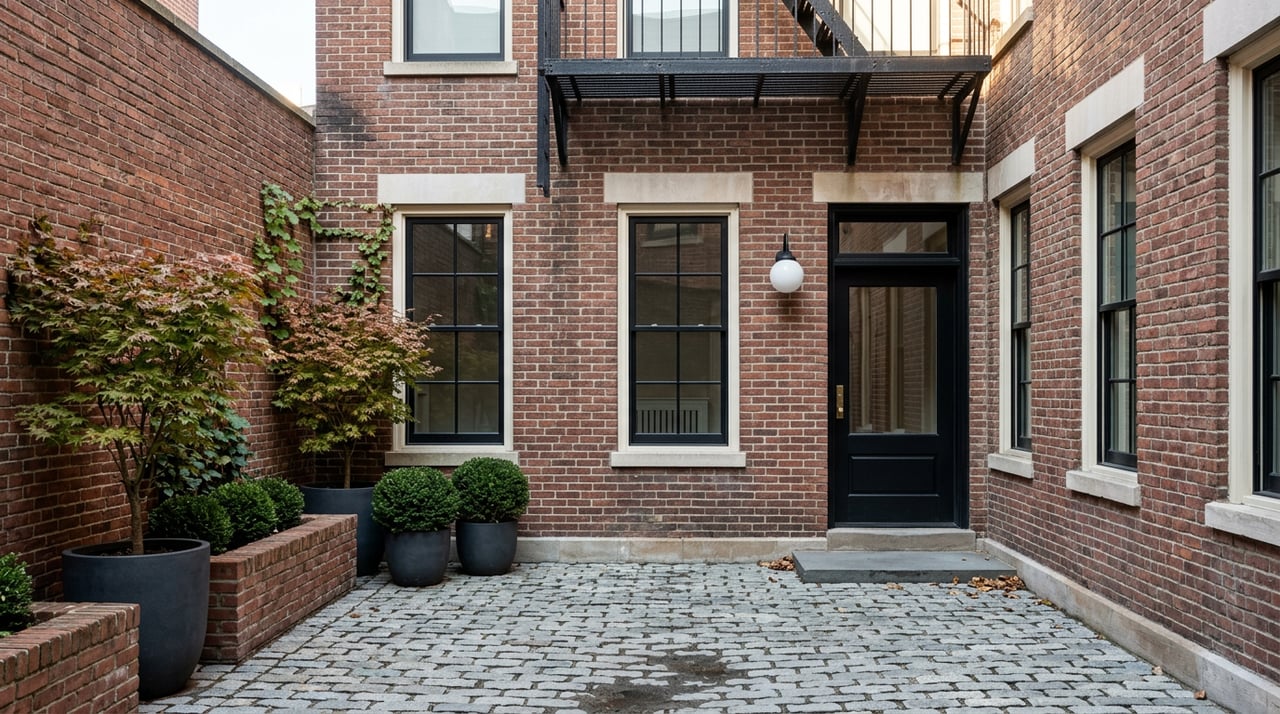
If you picture the West Village, you probably see leafy blocks, bend-in-the-road corners, and a café table that seems to slow time. You want a day that feels effortless and a neighborhood that still looks like New York. In this guide, you’ll trace an easy loop from the Hudson River to quiet lanes and back again, with a quick look at housing so you can judge lifestyle and budget. Let’s dive in.
Start at Pier 45
Begin on the waterfront at Pier 45 in Hudson River Park. The long lawn and open river views make a calm starting point for a jog, a stretch, or a sit-and-watch moment. The Hudson River Greenway brings walkers and cyclists by throughout the day, and summer often means casual community programming on the pier. For features, access, and current events, check the Hudson River Park’s page for Pier 45.
Coffee and a slow morning
From the water, wander inland a few blocks for coffee. The West Village café pattern is simple: small rooms, warm light, and a mix of locals grabbing a quick pastry and others lingering with a book. If you want a classic scene, the French-style Buvette is a tight, lively spot that captures the neighborhood’s café vibe. Get a feel for it on Time Out’s Buvette listing, and always re-check current hours before you go.
Midday streets and boutiques
Head toward the short, photogenic lanes that give the West Village its “away from Midtown” feel. Charles Lane is a great example of a cobblestoned mews that contrasts with Manhattan’s grid. It reads like a carriage lane or shared courtyard, and it photographs beautifully. For background on these preserved mews across the city, see Untapped New York’s overview of remaining carriage lanes.
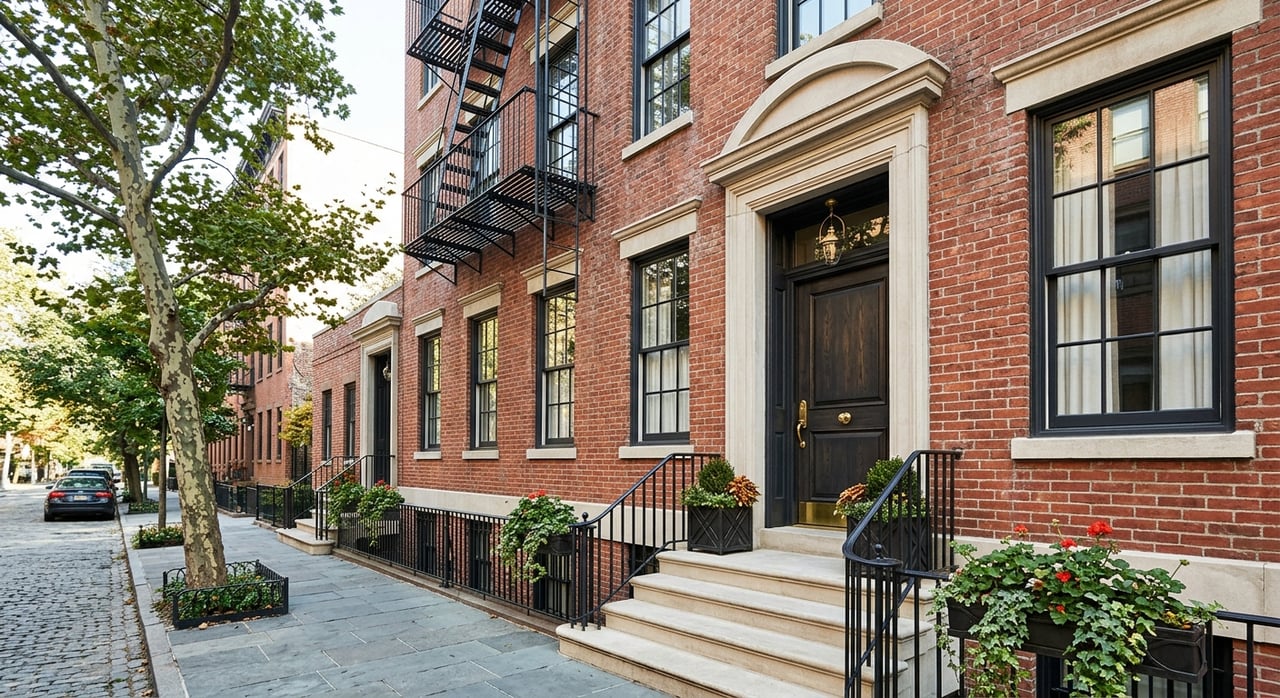
Continue along Cornelia Street or nearby Perry, Grove, and Bank. These narrow blocks mix low-rise façades, pocket restaurants, and small galleries, and they are some of the most photographed streets in the neighborhood. Keep the focus on the ambience: townhouse stoops, mature trees, and quiet sidewalks.
When you are ready for a browse-and-bite break, aim for Bleecker Street. This is where you’ll find specialty food purveyors, bakeries, and independent boutiques in a compact, walkable stretch. It is an easy place to grab a daytime bite that still feels local. For a travel-guide snapshot of how these blocks function, Fodor’s describes Bleecker and the nearby shopping streets as a classic “stroll and browse” area; see this neighborhood retail overview.
Courtyards and gardens
The West Village includes small courtyard-like pockets, private lanes, and community gardens that give the interior blocks a quieter rhythm. Jefferson Market Garden is a lovely, seasonal pocket park near the library, and Patchin Place, Minetta Lane, and Milligan Place show how little lanes tuck into the fabric. Some spaces are private or have limited access, so be respectful and confirm what is open when you visit. Village Preservation often highlights these places during tours and events; their listings, like this Greenwich Village Historic District event page, can point you to garden openings and walking routes.
Evening on Christopher Street
Start your evening with a short walk to Christopher Street. Christopher Park and the Stonewall National Monument anchor the area’s public history and LGBTQ+ heritage. The National Park Service details the cultural landscape and how it is interpreted in the streetscape; read more in the Stonewall National Monument overview. The Christopher Street subway stop was co-named to honor Stonewall, as covered in local reporting; see Gothamist’s coverage of the station renaming for context.
Close the day by drifting back to Pier 45 for sunset. The lawn, the pier edges, and the Greenway give you wide Hudson light and skyline silhouettes. It is one of the simplest, most rewarding views in Lower Manhattan.
What makes the West Village distinctive
The West Village sits in the western portion of Greenwich Village, from Houston Street north toward 14th and west to the Hudson. What you feel on the street comes from a low-rise, 19th- and early-20th-century fabric: brownstones, rowhouses, and small prewar walk-ups on narrow, tree-lined blocks. Large portions of the neighborhood fall within New York City historic districts. Those landmark protections limit visible new construction and preserve the streetscape you see today. For designation reports and maps, explore Village Preservation’s resources.
Housing snapshot: forms, pricing, process
If you are thinking about living here, it helps to know how the housing stock shapes price and availability.
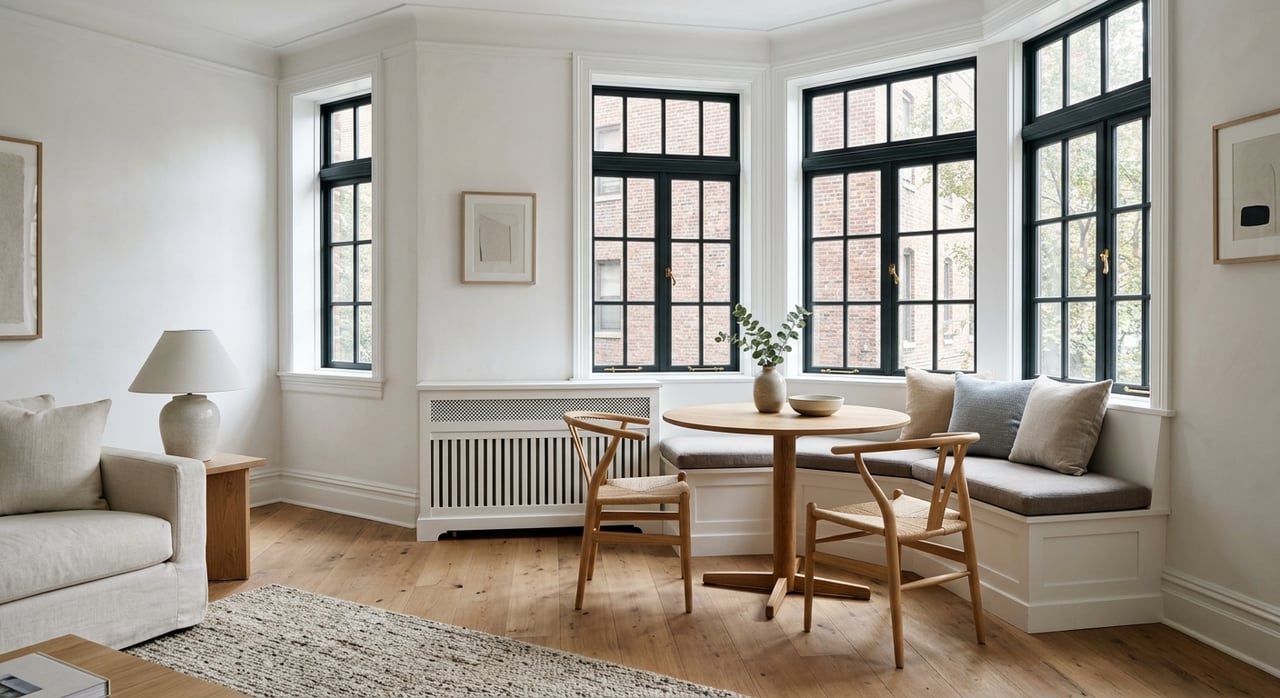
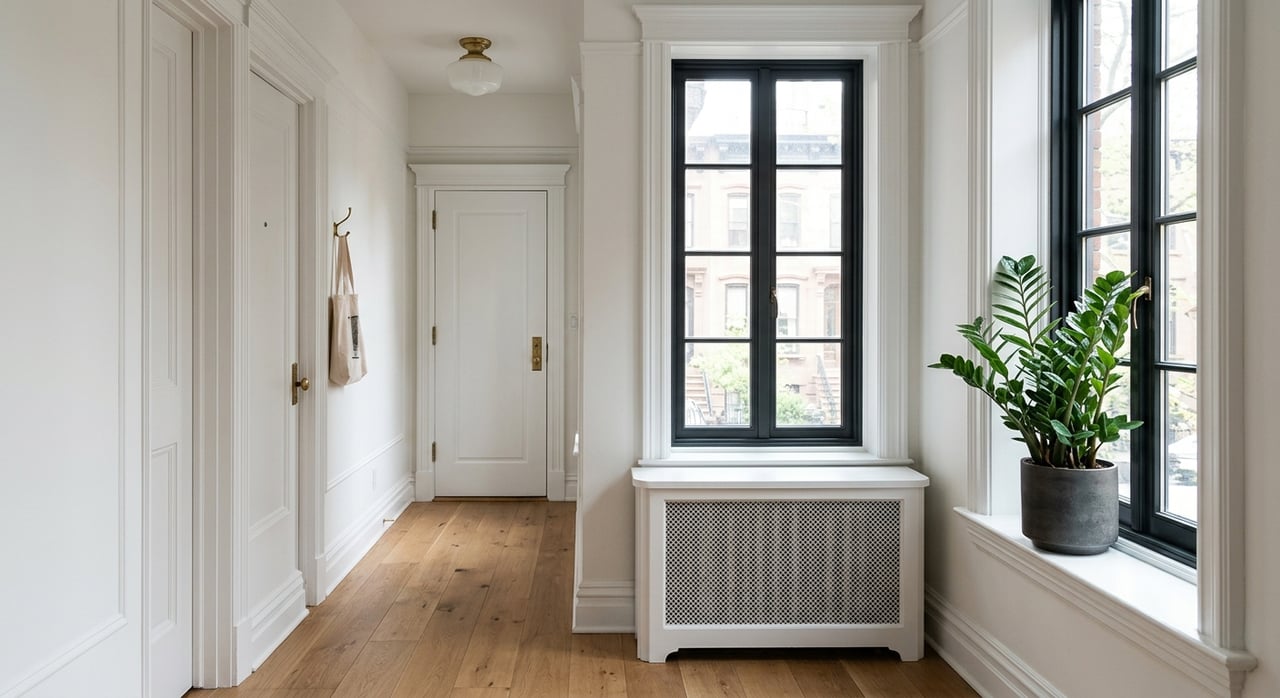
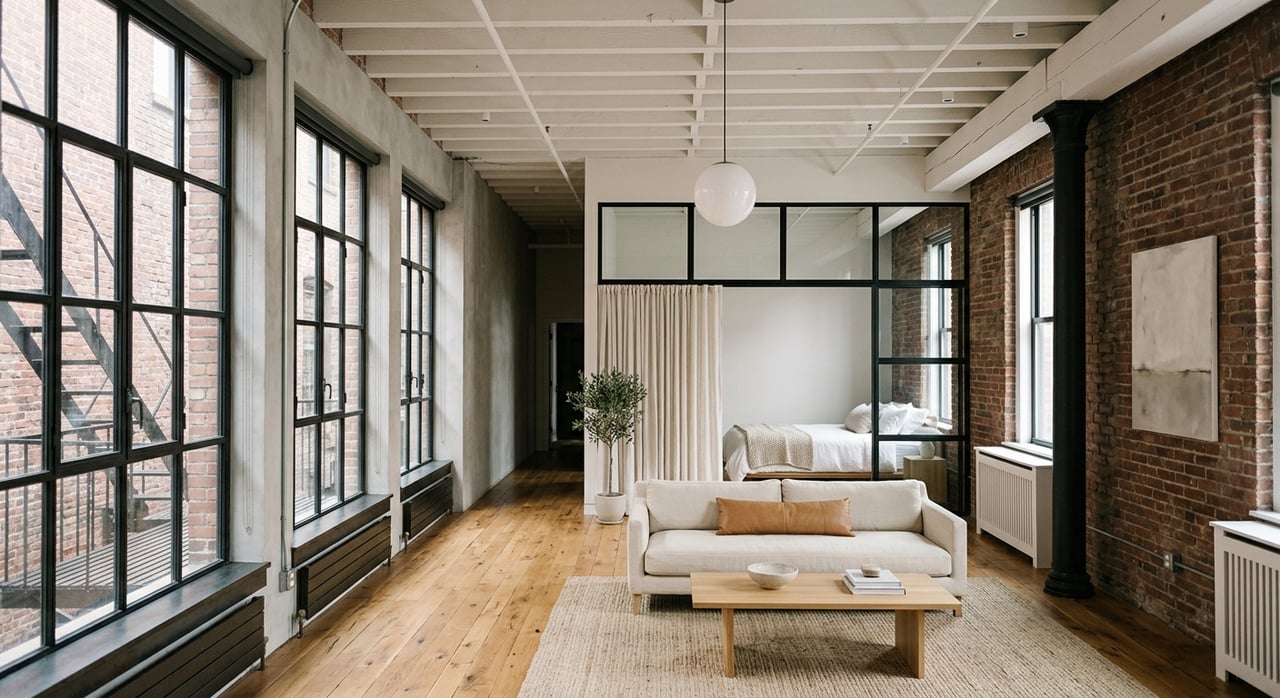
Common housing types: You will mainly see brownstone and brick rowhouses, prewar walk-ups, and small prewar apartment buildings on interior blocks. Newer condo developments, including taller options, cluster closer to the West Side Highway and the river. Landmark rules tend to preserve façades and overall scale even as interiors are updated.
Market context: Recent aggregator snapshots place the neighborhood median sale price around 1.5 to 1.6 million dollars. For example, Redfin reported a median around 1.6 million dollars for the West Village in Feb 2026. Rents for one-bedrooms often land in the several-thousand-dollar range, with some local snapshots showing medians in the mid-5,000s depending on building type and finishes. Always check the latest month and source when you compare.
Why pricing is higher: Limited supply, protected historic streets, beloved parks, and concentrated dining and retail support a premium compared with many other Manhattan areas. Inventory is often tight, which can affect competition and timing.
Co-op vs. condo: Many West Village apartments are co-ops. Condos exist, often along the river and at a higher price point per square foot, but they are less common on the interior blocks. Co-op purchases involve a detailed board package and approval that can affect your timeline and post-closing reserves. For a quick explainer on the process and key differences, use PropertyShark’s co-op guide.
Practical tips for your day
- Accessibility and cobbles: Cobblestone lanes like Charles Lane are beautiful but can be uneven for strollers and mobility devices. Plan your footwear and route if this is a concern.
- Transit basics: The neighborhood is well served by subways, including the 1 train at Christopher Street and the major transfer hub at West 4th Street. Always check current MTA notices before you go.
- Parking and moves: Street parking is limited and often paid. If you are moving in, coordinate with your building and plan for narrow streets, possible loading restrictions, and alternate-side rules.
- Café and shop hours: Independent spots change hours and policies. Re-check each location’s website or phone listing the week you visit.
Considering a move?
If the West Village feels like your pace, pair lifestyle with a clear plan. Start by aligning your budget with likely co-op vs. condo options, then map that against your must-haves: elevator, outdoor space, light, or proximity to the water. A data-forward strategy can help you move quickly when the right home appears, especially with limited inventory and strong demand.
If you want a tailored read on pricing, timelines, and board requirements, reach out. With a finance-informed approach and on-the-ground experience across Manhattan, Josue Gonzalez can help you compare options, prepare a winning offer, and navigate the process from first tour to closing.
FAQs
Is the West Village a good place for families?
- Many blocks away from nightlife clusters feel calm and walkable, with pocket parks and low-rise streets; the main tradeoffs are housing size and higher costs relative to many other areas.
How expensive is it to live in the West Village right now?
- Recent snapshots place median sale prices around 1.5 to 1.6 million dollars (for example, Redfin, Feb 2026), and one-bedroom rents often fall in the several-thousand-dollar range depending on building and finishes.
Are there true hidden courtyards I can visit in the West Village?
- You can see small lanes and gardens like Patchin Place, Minetta Lane, and Jefferson Market Garden; some interior courtyards are private, so check access before you go.
What is parking like in the West Village?
- Street parking is constrained and usually paid; many residents use garages, car-share, cycling, or transit. If a car is essential, budget for a garage and confirm locations near your block.
Are the low-rise streets still authentic or too touristy?
- Landmark protections help preserve the look and scale of the streets; popular blocks draw visitors, especially on weekends, yet it remains a lived-in neighborhood with residents, shops, and community history.