Wondering what everyday life really feels like on the Upper West Side? Maybe you picture tree-lined blocks, world-class arts, and easy park time, but want the details on commute, errands, and housing. You will get a clear, practical view of how the neighborhood works day to day so you can decide if it fits your routine. Let’s dive in.
Where the neighborhood sits and feels
The Upper West Side runs from about West 59th Street to West 110th Street, between Central Park and the Hudson River. This is the definition you will find in resources from Manhattan Community Board 7. The area stretches from the Lincoln Center district in the 60s through bustling retail hubs in the 80s and 90s, up to quieter blocks that connect with Morningside Heights.
The overall vibe is residential, culturally rich, and relaxed by Manhattan standards. Many residents value fast transit, museum access, and green space. Like any large New York neighborhood, street activity and noise vary by block and time of day.
Getting around day to day
Subway and bus access
Multiple subway lines crisscross the UWS, including the 1 line along Broadway and the B and C along Central Park West. From many stations, you can reach Midtown in about 10 to 20 minutes, with direct options to the west side of downtown as well. For route planning, the MTA subway map is your best reference. Crosstown and north–south buses fill in gaps between avenues.
Walking and biking
You can cover most errands on foot. Biking is popular too, with the Hudson River Greenway and Riverside Park forming a long, scenic route. Explore spots and entries through Riverside Park and plan rides with the city’s NYC DOT bike map.
Driving and parking
Driving is possible but not always practical. Street parking is limited, and garage rates can be high. Many residents choose a mix of subway, buses, walking, rideshare, and biking for faster and easier movement.
Daily conveniences and services
Groceries and shopping
You will find supermarkets, specialty grocers, bodegas, pharmacies, and hardware stores on Broadway, Columbus, and Amsterdam. The neighborhood is known for long-standing food institutions, with prepared foods, bakeries, and coffee shops dotted along the avenues. Seasonal farmers’ markets and specialty purveyors round out the options.
Parks and outdoor time
On the east side, Central Park is your year-round backyard, with playgrounds, running loops, ballfields, and quiet paths. Check maps and programming via the Central Park Conservancy. Along the west side, Riverside Park and the waterfront greenway are ideal for bike rides, dog walks, and sunsets.
Schools and childcare
The UWS includes zoned public schools, district programs, charter options, and a range of independent schools. Audition-based LaGuardia High School for the performing arts is in the Lincoln Center area; you can learn about programs and admissions at the LaGuardia High School site. Childcare and enrichment options are plentiful, though popular programs can have waitlists.
Healthcare and wellness
Major hospitals and medical centers sit within a short reach, and many private practices and urgent care locations are scattered along the main corridors. You will also find fitness studios, yoga, and community centers with classes and events.
Culture, dining, and social life
Performing arts and museums
The UWS is a cultural cornerstone. At Lincoln Center, you can access the New York Philharmonic, Metropolitan Opera, and New York City Ballet, plus community and education programs. The American Museum of Natural History anchors the neighborhood’s family-friendly museum scene with exhibitions and events throughout the year.
Dining and coffee culture
Expect a broad mix that runs from classic delis and pizza spots to upscale restaurants. Long-standing cafes, bagel shops, and bakeries are part of daily life. Wine bars and neighborhood pubs offer relaxed meetups after work or a show.
Evenings out
Nightlife here is more about performances, movies, and dinner than late-night clubs. You can see a concert, catch a film, or try a new restaurant, then stroll home along quiet side streets. It is a comfortable pace if you prefer conversation and culture over loud venues.
Housing on the UWS
What you will find
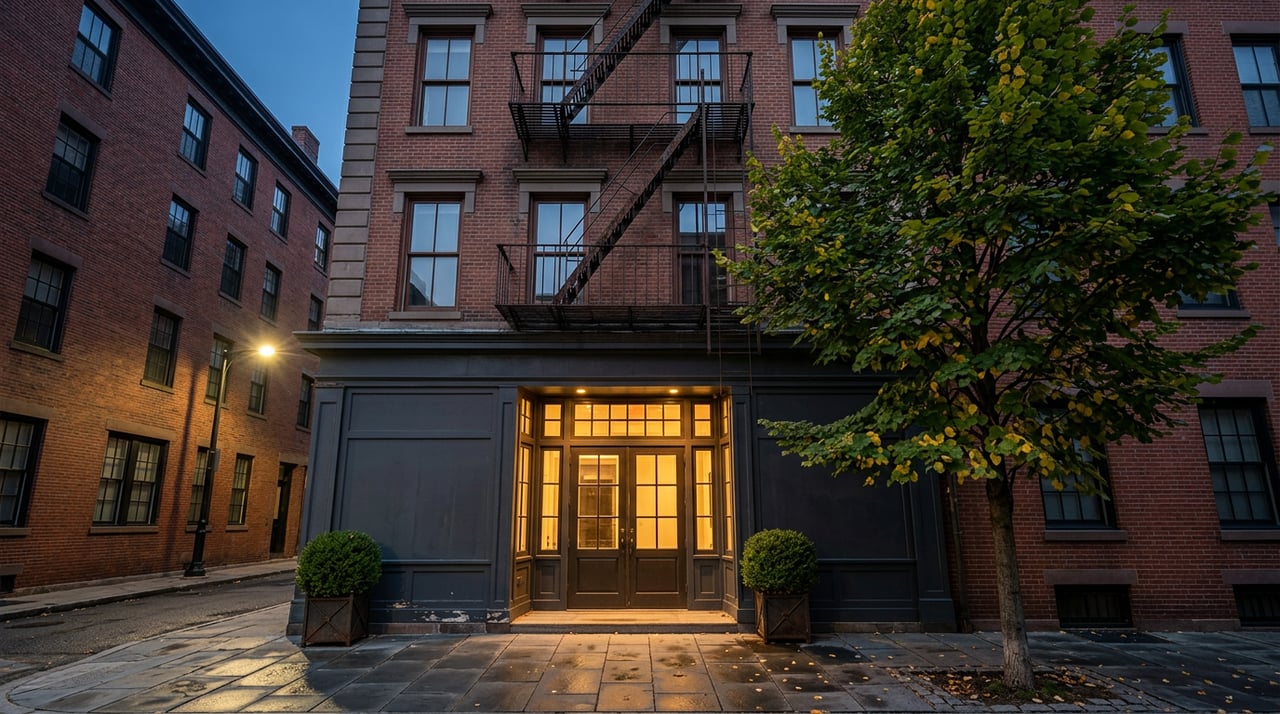
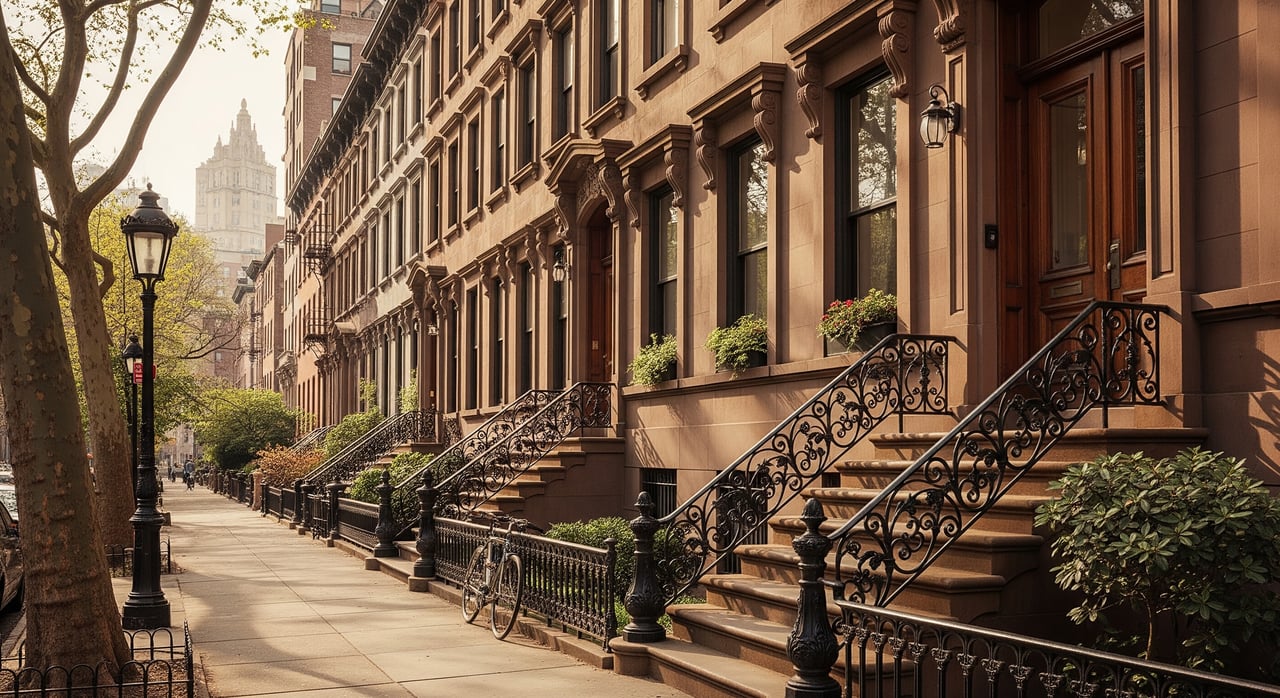
Housing spans prewar co-op buildings, brownstones and rowhouses, mid-century walk-ups, and newer condo towers near commercial corridors and Lincoln Center. Layouts range from efficient studios and one-bedrooms to larger family-sized apartments. Streets can change character quickly, so it helps to tour by block and building.
Co-ops vs. condos, in brief
Co-ops are common and often require board approval with document reviews and an interview. Condos usually have a simpler closing process and may be more flexible for investors. Policies vary widely by building, so planning your financing, timing, and application materials early can make a big difference.
Renting
Rental choices exist at multiple price points. Proximity to parks, transit, and cultural anchors tends to support steady demand. If you are moving on a specific timeline, you will want to align lease start dates with listing cycles and be ready to move quickly on a good fit.
Tradeoffs to weigh
- Higher housing costs compared with many NYC areas vs. access to top-tier parks and culture.
- Quieter residential feel vs. less late-night nightlife than downtown neighborhoods.
- Robust school and enrichment landscape vs. competition and potential waitlists for popular programs.
- Excellent transit and walkability vs. limited street parking and higher garage costs.
Is the Upper West Side right for you?
If you want a calmer Manhattan neighborhood with quick access to Central Park, Riverside Park, and world-class arts, the UWS fits that brief. Daily life runs on walkability, convenience, and cultural depth, with enough dining and local spots to keep variety in your week. The main questions to solve are housing type, budget, co-op vs. condo fit, and your commute pattern.
If you are weighing those tradeoffs, you do not have to decide alone. Reach out to Josue Gonzalez for a data-informed plan tailored to your goals, from board package strategy to neighborhood-by-neighborhood comparisons.
FAQs
How long is the Upper West Side subway commute to Midtown?
- From many UWS stations, typical subway travel to Midtown often takes about 10 to 20 minutes, depending on line and time of day; check routes on the MTA subway map.
Where are the main parks on the Upper West Side?
- Central Park borders the east side and Riverside Park lines the Hudson River on the west, with playgrounds and greenways; see the Central Park Conservancy and Riverside Park for maps and programs.
What types of homes are common on the Upper West Side?
- You will see prewar co-ops, brownstones, walk-ups, and newer condo buildings, with layouts from studios to multi-bedroom apartments.
Is the Upper West Side good for pet owners?
- Many buildings allow pets, subject to building rules, and outdoor spaces like Riverside Park and Central Park offer dog runs and long walking routes.
What should I know about co-op board approvals on the Upper West Side?
- Co-op purchases often include financial reviews and an interview; timelines and standards vary by building, so prepare documents and financing early.
How lively is the nightlife on the Upper West Side?
- Evenings skew toward performances, films, restaurants, and bars rather than late-night clubs, which suits a more low-key social pace.