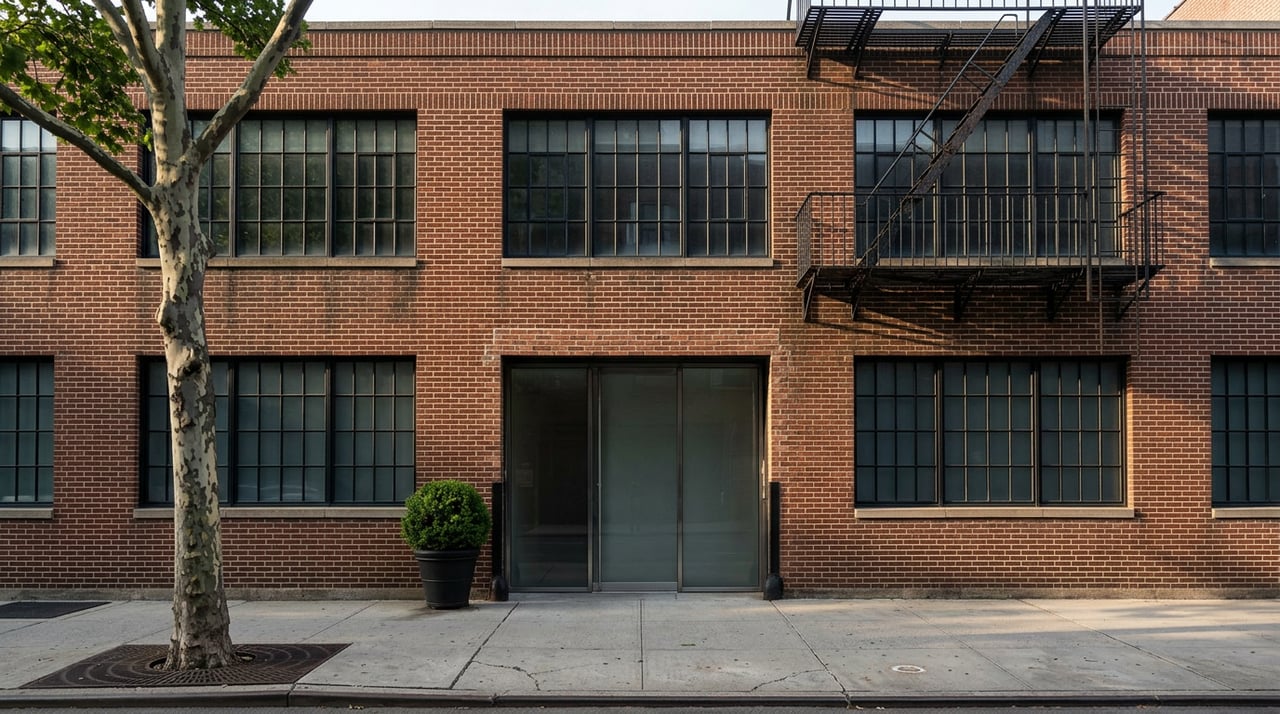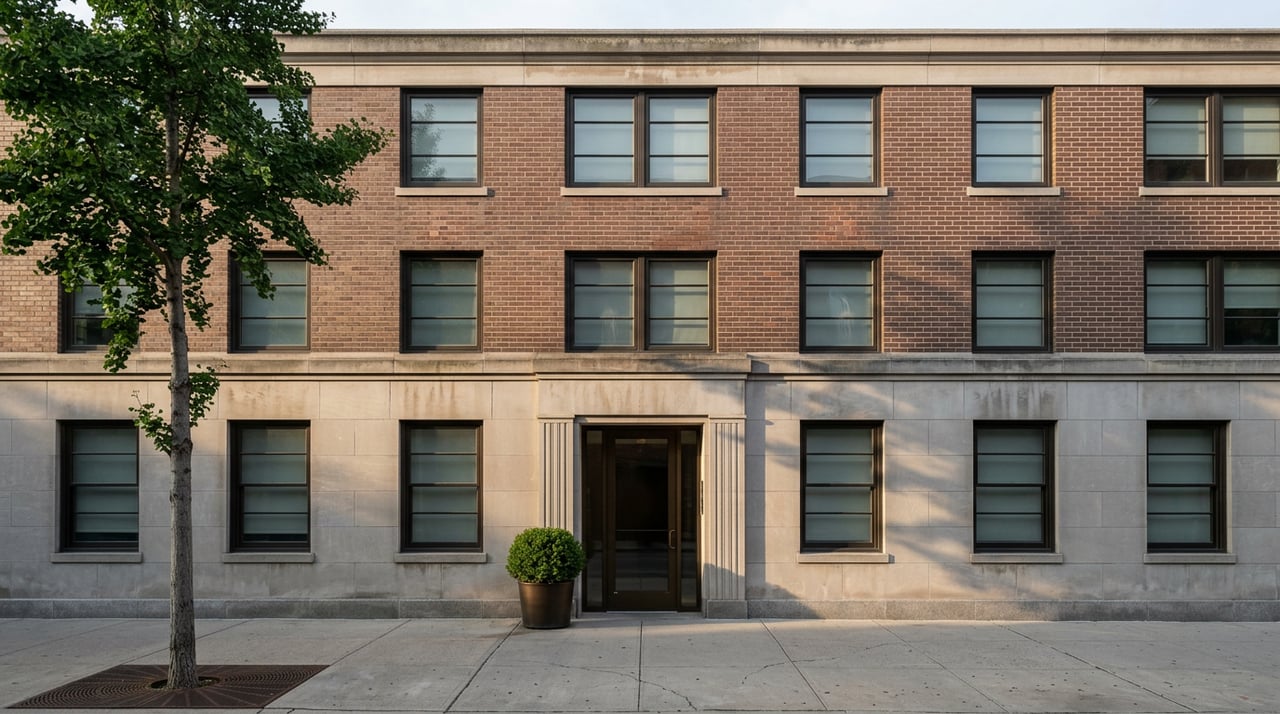
You do not buy a NoHo home the way you buy anywhere else. Between cast‑iron lofts, boutique condo conversions, and strict landmark rules, small details can swing value and timelines. If you are eyeing an authentic loft or a quiet, design‑forward condo, you need a plan that pairs taste with due diligence. This guide shows you what to look for, what drives price, and the key legal checks that keep your purchase on track. Let’s dive in.
Why NoHo stands out
NoHo sits just north of Houston Street and is defined by 19th and early‑20th‑century store‑and‑loft buildings. Much of the area falls inside the officially designated NoHo Historic District, which documents a dense concentration of landmark‑worthy facades and industrial loft architecture. You can review the district’s history and mapped boundaries in the city’s designation report to understand what is protected and why. That heritage is a big reason the homes here feel unique.
Inventory is limited and data can look jumpy. A snapshot like the Rocket NoHo market report can show a high median price per square foot compared with many downtown areas, but a few large resales can skew the median. High‑end contracts, like the CityRealty coverage of a major NoHo penthouse deal, can move short‑term numbers. Treat headline stats as directional and pair them with fresh, unit‑level comps.
Loft types explained
Hard lofts vs. soft lofts
When you hear “NoHo loft,” you are usually talking about one of two things. Hard lofts are authentic conversions of former commercial or industrial buildings, often with tall ceilings, exposed columns or beams, and oversized factory windows. Soft lofts are newer builds or re‑built units that borrow the loft look but use modern systems and typically have lower ceilings and more conventional walls. Both can be excellent homes, but their systems, insulation, and future renovation scope can differ.
Boutique condos 101
Many NoHo buildings were converted into small, limited‑unit condominiums where a developer carved a handful of full‑floor or half‑floor residences. That keeps supply tight. Architectural pedigree, finishes, and floor‑through layouts can command premiums because comparable alternatives are rare. In a historic context, exterior features are often protected, which adds character and also shapes what future work is allowed.
Features that drive price
In NoHo, you pay for volume, light, and authenticity. The elements below often move value the most:
- Ceiling height and volume, including mezzanines or duplex sections.
- Window size, exposure, and depth of natural light.
- Floor‑through layouts versus interior or chopped‑up plans.
- Outdoor space, even small terraces.
- Quality and recency of a renovation that respects the architecture.
- Building services, amenities, and financial strength.
What regulations mean for you
Landmark rules in NoHo
Large portions of NoHo are landmarked, and exterior features visible from the street are protected. Any visible exterior work, such as window replacements, storefront changes, or rooftop elements that can be seen from public ways, usually requires a permit from the Landmarks Preservation Commission. Review the LPC’s permit types and processes so you can plan realistic timelines if you expect to alter windows or roof elements.
Loft Law basics
Some former commercial loft buildings fall under New York State’s Loft Law, which created the interim multiple dwelling category and set up the New York City Loft Board. Whether a building or unit is covered affects occupancy legality, rent and tenancy history, and the path to a residential certificate of occupancy. Start with the Loft Board’s overview of coverage and rules, then confirm if any legalization steps remain. If a building is still being legalized, that process follows Department of Buildings guidance for IMDs; review DOB’s IMD filing and legalization requirements to understand design and timing impacts.
Facade safety and assessments
Many of NoHo’s masonry and cast‑iron facades are subject to the city’s Façade Inspection & Safety Program. Buildings taller than six stories must undergo regular inspections under FISP, and findings can trigger mandated repairs, sidewalk sheds, and special assessments. Read the city’s FISP guidance and ask for recent filings and any planned remediation before you make an offer.
Co‑op or condo in NoHo
Ownership differences and impact
Understand the structural difference first. Co‑ops sell shares in a corporation with a proprietary lease, and they often require larger down payments and detailed board approvals. Condos are deeded property with faster approvals and a simpler right of first refusal process, which is why they usually carry higher purchase prices and higher buyer closing costs. For a deeper primer, see this guide to co‑op vs. condo in NYC.
Closing costs differ in meaningful ways. Buyers financing a condo purchase pay the Mortgage Recording Tax and title insurance, which co‑op buyers do not. For a high‑level summary of city transaction taxes, review the Comptroller’s housing report and tax context, then confirm the latest rates with your lender and attorney.
Buyer checklist by property type
- Co‑op essentials: board package requirements, expected down payment and post‑closing liquidity, sublet policy, flip tax structure, and the building’s financials and underlying mortgage. A practical overview of the board process can help set expectations, such as this co‑op buying guide.
- Condo essentials: review the offering plan and amendments for newer conversions, examine reserves and any planned capital work, confirm rental and sublet rules, and understand the owner‑occupancy mix.
Renovation reality in lofts
Common challenges to plan around
Tall ceilings and wide spans make lofts stunning, but they can complicate mechanicals. Heating and cooling may require ducted or split systems with careful routing to preserve volume and improve efficiency. Wet‑work like adding a bath or relocating a kitchen typically needs vertical risers and Department of Buildings permits. In landmarked buildings, window replacements and any exterior changes must follow LPC standards, so review permit types and staff versus Commission review early in design.
Permit timelines and scope
Expect permit sequencing and licensed professionals to anchor your schedule. Visible exterior work can require a Certificate of Appropriateness, while some interior or non‑visible items may qualify for staff permits that move faster. If your building is an IMD, legalization conditions can add steps before a final residential certificate is issued. Review the Loft Law project requirements at DOB so your architect sets the right scope and timing.
A focused due‑diligence checklist
Use this quick checklist to protect your position before you offer:
- Confirm whether the property is inside the NoHo Historic District using the official designation report.
- For converted lofts, verify Loft Board or IMD status and whether legalization is complete via the Loft Board’s site.
- Review Department of Buildings records for active permits, violations, and the current Certificate of Occupancy. If IMD applies, read the DOB Loft Law guidance.
- Ask for recent FISP filings and planned facade work using the city’s FISP overview as your framework.
- Request building financials: budget, reserves, underlying mortgage, recent or planned special assessments, and sample board package or offering plan.
How to value a NoHo loft or condo
Start with the space, not the average. Compare ceiling heights, whether the home is a floor‑through or interior plan, window sizes and exposures, and whether the facade is landmarked in a way that may limit window changes. Weigh outdoor space, building services, and the building’s financial health and assessment history. In such a small submarket, a single trophy contract, like the NoHo penthouse example, can skew medians, so always pair headline figures with actual unit comps and transaction counts.
When you find a candidate, test pricing against similar volume, light, plan type, and recent renovation quality. Note whether landmark status will affect future window replacements or rooftop work you may want. If the building is under Loft Board jurisdiction, factor in any remaining legalization timeline and costs. Finally, model your closing costs based on structure: co‑op versus condo, financing or cash, and any sponsor‑unit transfer taxes.
Bottom line
Buying in NoHo rewards buyers who love authentic architecture and do not mind complexity. If you balance design with smart diligence, you can secure a home that holds value and lives beautifully. A focused strategy around landmark rules, Loft Law checks, and building financials will keep your deal and your renovation on time. If you want a second set of eyes on value, approvals, and negotiation, reach out to Josue Gonzalez for a confidential consult.
FAQs
What makes a NoHo loft different from a typical apartment?
- NoHo lofts often sit in former industrial buildings with tall ceilings, large windows, and open floor plates, which create dramatic volume and light compared with standard postwar layouts.
How do NoHo’s landmark rules affect renovations?
- Visible exterior work, like windows or rooftop elements, usually needs Landmarks approval, which can add time and specific design requirements.
What is the Loft Law and why should I check it in NoHo?
- The Loft Law covers some converted commercial buildings and sets a path to legal residential use; IMD status can affect certificates of occupancy and renovation timing.
Are condos or co‑ops easier to buy in NoHo?
- Condos usually have faster, lighter approvals but higher closing costs; co‑ops can be less expensive upfront but require detailed board reviews and stricter financials.
What building red flags should I look for in a NoHo listing?
- Open violations, facade repair requirements, low reserves, planned assessments, and any unresolved Loft Board or legalization issues should prompt deeper review.
Why do NoHo price stats swing so much month to month?
- The submarket is small, so a few high‑end contracts can skew medians; always compare similar units by volume, light, plan, and renovation quality rather than macro averages.