Looking for a quieter slice of Manhattan without giving up convenience? If you love classic architecture, leafy blocks, and a calm pace right in the center of the city, Gramercy may be your match. In this guide, you’ll get a clear picture of the neighborhood’s feel, the private park that defines it, the homes you’ll find, and how to navigate next steps. Let’s dive in.
Gramercy on the map
Gramercy sits in mid‑Manhattan around the private Gramercy Park, between East 20th and East 21st Streets and Gramercy Park West and East. The broader area is commonly described as 14th Street to 23rd Street, Park Avenue South to First Avenue. You can confirm the layout and neighborhood context in this overview of Gramercy Park and its surroundings.
Most of Gramercy falls within Manhattan Community District 6, with a small portion in District 5. ZIP codes shift across 20th Street, with 10003 to the south and 10010 to the north. These small details help you target listings and services.
The park: keys and traditions
At the heart of the neighborhood is Gramercy Park, a roughly two‑acre private garden created in the 1830s and held in trust for surrounding lots. The gates are locked, and access is controlled by a long‑standing key system tied to qualifying properties and select institutions. For a deeper look at the park’s history, ownership, and key program, see this CityRealty background on Gramercy Park keys and buildings.
If you live in a park‑front building with key rights, it is a signature amenity. Some local institutions, including The Players and the National Arts Club, have historic ties to park access. The trustees publish strict usage rules to preserve a quiet, ornamental setting. Public entry is rare, though occasional trustee‑sanctioned events do occur.
Historic fabric and architecture
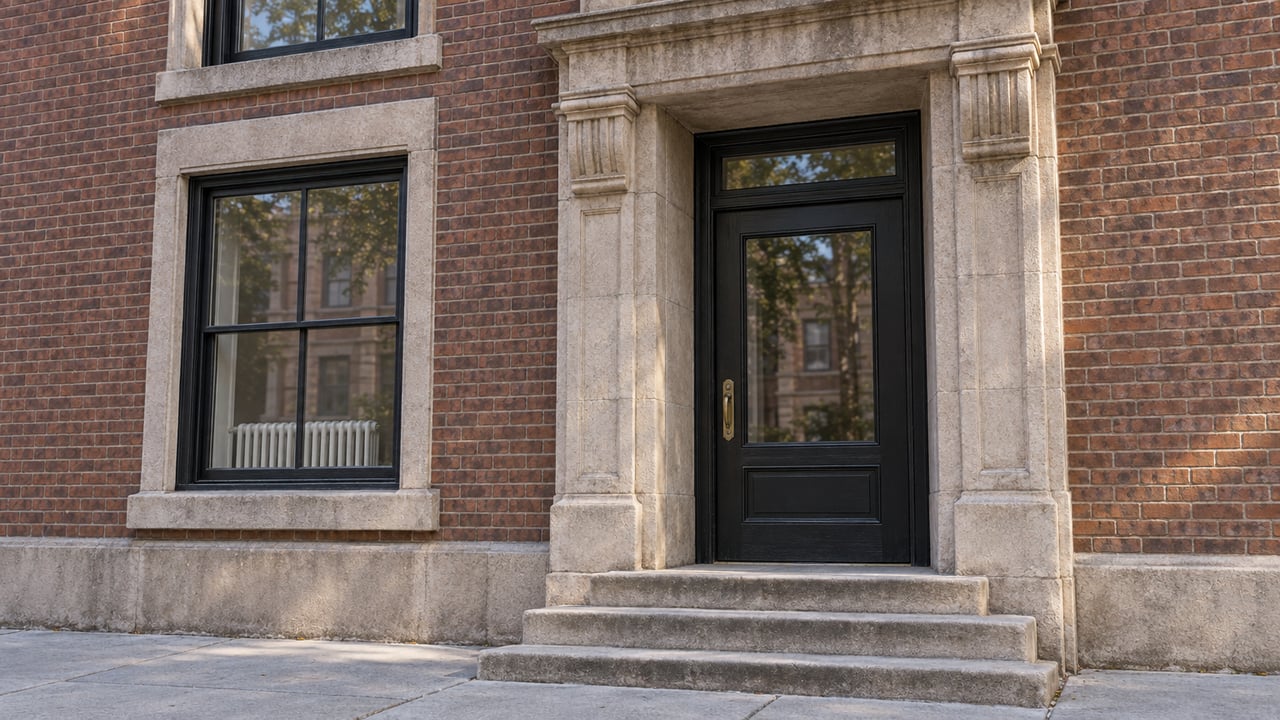
Gramercy is a designated historic district with a large collection of mid‑19th‑century buildings. You’ll see Greek Revival, Italianate, and Gothic Revival details, plus rows of low‑rise brownstones and early co‑ops that define the streetscape. To understand the protected character and boundaries, review the NYC Landmarks Preservation Commission’s historic district designations.
Several side streets are especially intact. Parts of East 19th Street, often called “Block Beautiful,” and Irving Place offer a refined, old‑city feel with consistent rowhouse fronts and leafy sidewalks. Many park‑facing townhouses remain single family or have been sensitively converted, which helps preserve the neighborhood’s scale and charm.
Everyday rhythms and amenities
Life in Gramercy feels calm and walkable. Morning coffee, dog‑walking along the park fence, and quick errands on Irving Place are part of the routine. The local block association shares updates and community notes that reflect this quieter rhythm. For a snapshot of the area’s daily tone, explore the Gramercy Park Block Association.
Dining has depth for a small pocket. Gramercy Tavern remains a culinary touchstone with enduring acclaim, noted in this Eater review and profile. Pete’s Tavern on Irving Place adds a classic, old‑New‑York note to the mix. You also have a range of cafes, small groceries, and services tucked into the avenues and side streets.
For bigger green spaces, Union Square, Madison Square Park, and Stuyvesant Square are easy walks. Union Square’s GrowNYC Greenmarket is a major draw for produce and community energy. Check the Union Square Partnership’s public space programming to time your visit.
Transit and connectivity
While Gramercy feels tucked away, transit is excellent. The 14th Street–Union Square hub anchors the south edge with multiple lines, and the 6 train at 23rd Street serves the north. These routes connect you uptown and downtown in minutes. For line details, view the MTA 6 train map.
High walk scores and short blocks make daily errands simple. Many residents choose Gramercy for the blend of quiet streets and central access.
Housing options and what to expect
You’ll find a mix of housing types:
- Park‑front townhouses and brownstones. Some remain single family, while others have been converted to co‑ops or small apartment houses. Park‑facing homes are rare and carry a premium when available.
- Prewar co‑ops and walk‑ups. Co‑ops make up a large share of the local housing stock and help keep the neighborhood’s residential feel. See the broader context in this Gramercy Park overview.
- Boutique condos and select conversions. A small number of sensitive new developments and conversions appear around the neighborhood. When a project sits on or near the park, developers sometimes negotiate park key rights as a rare amenity. You can read how keys factor into marketing in the CityRealty keys overview.
In general, properties facing the park or on parkside blocks command meaningful premiums, and inventory can move more deliberately due to owner occupancy and the prevalence of co‑ops. For specifics like days on market or current medians, review up‑to‑date listing data by building type and confirm details with the listing agent or building management.
Is Gramercy a fit for you?
Choose Gramercy if you want a quieter, historic pocket with quick access to downtown and uptown. You trade some in‑block retail scale for calm streets and classic architecture. If direct park access matters to you, focus your search on park‑front addresses and confirm any key rights at the building level.
If you prefer a busier, more commercial street life, you may lean toward nearby Union Square or Flatiron. The good news is you can live in Gramercy and reach those areas on foot in a few minutes.
How to explore listings with confidence
Use this simple approach as you start your search:
- Map the micro‑location. Highlight the blocks from Park Avenue South to Third Avenue, and note proximity to the park fence if quiet and light are priorities.
- Focus your building type. Decide early between co‑ops, condos, and townhouses to clarify financing, timelines, and board approvals.
- Verify park access in writing. If a listing mentions park keys, confirm the building’s eligibility and the rules with building management before you rely on it.
- Walk the streets at different times. Visit early morning and evening to feel the block’s rhythm and sound levels.
- Align price and pace. Premiums for parkside or park‑facing homes are real. Balance wants and needs so you can act when the right home appears.
Ready to make a move or benchmark your home’s value? Connect with Josue Gonzalez for a data‑driven plan and white‑glove representation.
FAQs
Can the public enter Gramercy Park?
- The park is private with locked gates, and public entry is rare outside trustee‑approved events; learn more in this CityRealty explainer on park keys and access.
Do Gramercy buildings include keys to the park?
- Some park‑front properties and select institutions have key rights; always verify key eligibility and rules with building management and listing documents before assuming access.
What housing types are most common in Gramercy?
- You’ll see park‑front townhouses, prewar co‑ops, and a few boutique condo conversions; co‑ops make up a large share of local inventory as noted in this Gramercy Park overview.
How is transit from Gramercy to the rest of Manhattan?
- Excellent; Union Square provides multiple lines at the south edge, and the 6 train at 23rd Street serves the north; see the MTA 6 train map for route details.
Why does Gramercy feel quieter than nearby areas?
- Low‑rise, historic blocks around the private park limit heavy through‑traffic and create a calm streetscape, which locals and the Gramercy Park Block Association often highlight.
Where can you find public green space near Gramercy if you do not have a key?
- Union Square, Madison Square Park, and Stuyvesant Square are all close by; the Union Square Partnership shares programs and seasonal activities that many Gramercy residents enjoy.