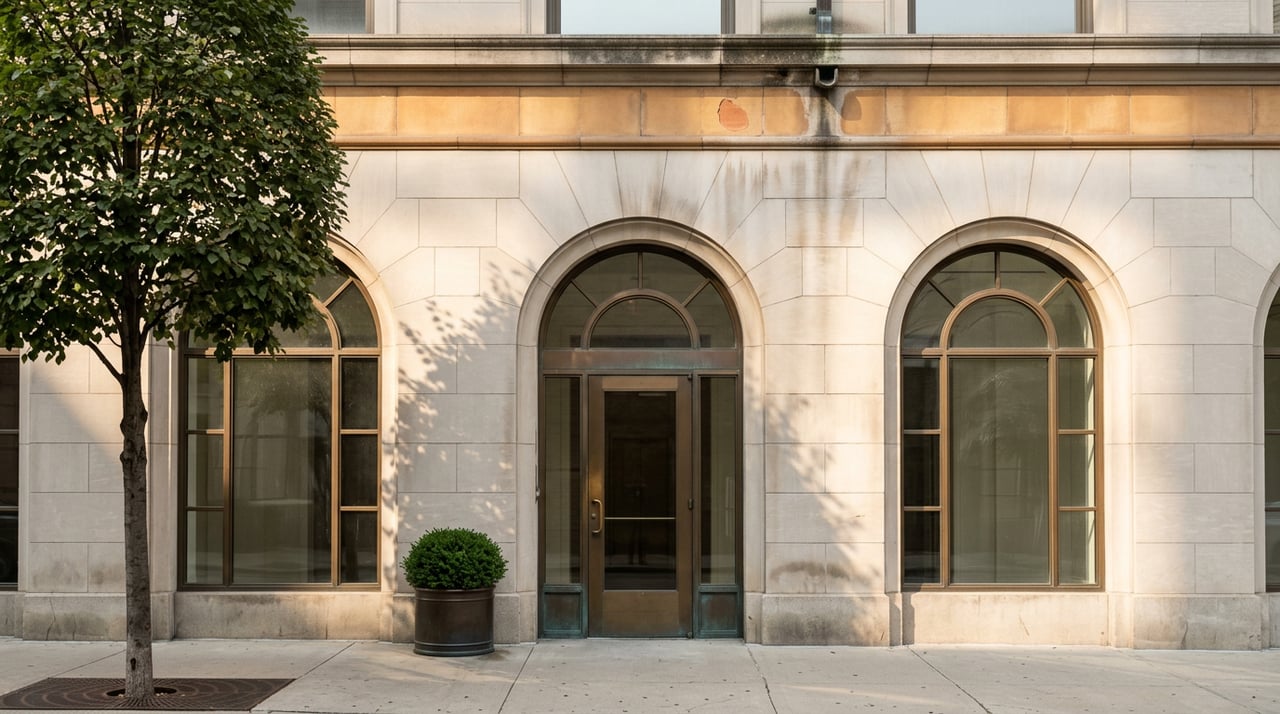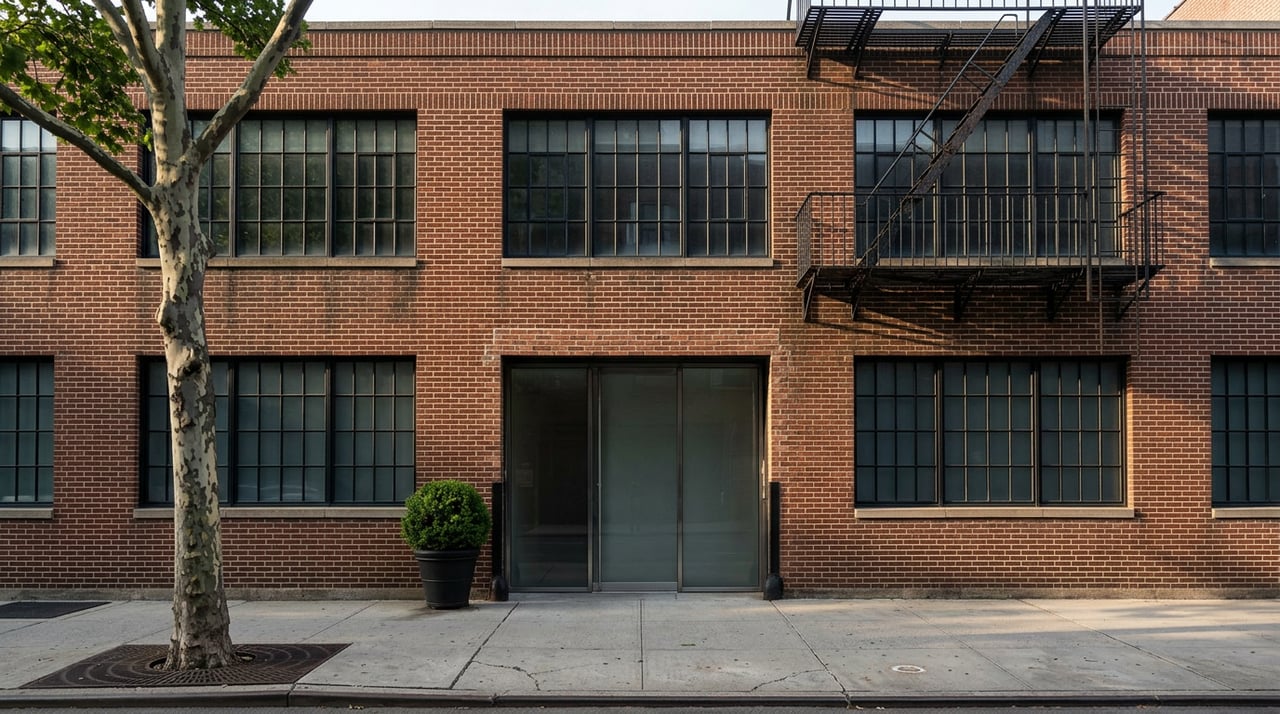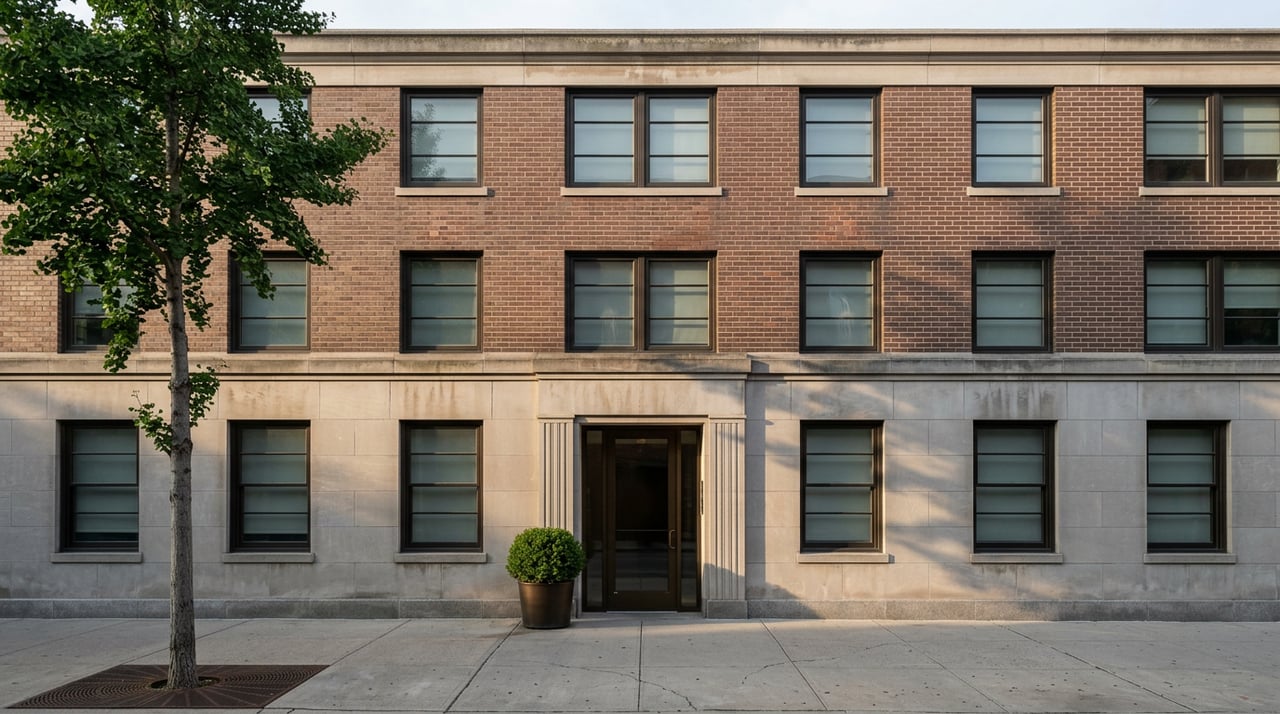
Walk down Church Street between White and Franklin on a Wednesday night in August and you can almost read the neighborhood's next twelve months in the storefronts. Paper covering a window at 277 Church. Fresh signage going up on Greenwich. A CB1 approval notice taped inside 431 Washington. The block-by-block turnover Tribeca residents have been tracking since last fall is landing all at once.
The interesting part is not that new restaurants are coming. New restaurants are always coming. The interesting part is the pattern underneath: nearly every high-profile opening announced for 2026 is either an Italian concept, a late-night bar, or a family-brand extension filling a space that a longtime tenant vacated in 2025. If you already live here, that pattern is the story worth knowing, because it tells you what your ground floor is going to look like for the rest of the decade.
The Thesis, In One Line
Tribeca's 2026 openings are not a random refresh. They are a coordinated response to a specific vacancy problem, and they are pushing the neighborhood toward two cuisines and one operating hour.
The Slate, By Address
Here are the openings that have moved from rumor to lease-signed since the spring, with the source cited by date rather than by trailing link:
| Space | Concept | Operator | Target |
|---|---|---|---|
| 277 Church St | Faux, two-floor French with a late-night downstairs bar | George McNally, chef Kristina Ramos | Summer 2026 |
| 431 Washington St | Anotheroom, craft beer and wine bar | Craig Weiss | CB1 approved April 2026 |
| Greenwich and Jay (Bazzini building) | Ludico Tribeca, Italian | Tribeca Hospitality Group, chef Nelson Gonzalez | Debuted at Taste of Tribeca, May 2026 |
| 200 Chambers St | Carnegie Diner & Café, sharing space with Delos Greek | Carnegie / Delos ownership | Summer 2026 |
| 378 Greenwich St | Friedman's, plus Japanese sister concept Suram | Friedman's | Announced November 2025 |
A few of these deserve the context that a table strips out.
Faux is going into the longtime former home of Shigure Sake Bar, which closed in 2022, and while early roundups pegged a spring opening, the pace of construction now points to summer. Chef Kristina Ramos brings time at Eleven Madison Park and Oxalis, the menu will lean on shareable French classics with a proper burger insisted on by McNally, and the pitch is relaxed rather than tasting-menu choreographed. The downstairs is the tell. It is designed to restore some of the late-night downtown energy locals say has drifted away from Tribeca, with a high-ceilinged upstairs dining room for long dinners and a vaulted lower bar for late drinks and snacks.
Anotheroom is a return, not a debut. After a 26-year run at 249 W Broadway that ended in September 2025, the industry-favorite bar is coming back to Tribeca at a roughly 1,100-square-foot space on Washington Street, with a 70-guest cap. It will focus on craft beers, wines by the glass, and cocktails, with no full kitchen and a no-cook menu of gourmet sandwiches and tinned fish.
Ludico is the one worth watching for what it says about the neighborhood. The prominent Tribeca corner in the Bazzini building on Greenwich and Jay, most recently Sarabeth's, is becoming Ludico Tribeca, an Italian restaurant helmed by chef Nelson Gonzalez. It comes from the Beefbar family, whose Tribeca Hospitality Group took the space more than a year ago with a plan to open a branch of the Milan-based Paper Moon Giardino before shifting to their own concept. Gonzalez was born in Venezuela, raised in Texas, was head chef of Kinship in Hong Kong, and spent a decade in Michelin-starred kitchens.
Why So Much Italian
Here is where the pattern turns from coincidence to something a resident should actually track. Tribeca Citizen's own comments section noted the count in May:
A Google Map search shows there are 23 Italian restaurants in Tribeca already, and the Carbone guys are supposedly taking over the Tribeca Grill space for an Italian restaurant, and Mr. Chow's space will be taken over by an Italian restaurant as well.
If you own or rent below Canal, that count matters more than it sounds. Cuisine concentration is a lagging signal of what landlords believe pays rent. When three of the largest and most visible former tenants in the neighborhood are being replaced by variations on the same concept, the ground floor is telling you what it thinks the average Tribeca customer will spend forty dollars on: pasta, not tasting menus, not sushi, not steakhouses.
There is a counterpoint inside the same conversation. Commenters pointed out that these operators are investing in a neighborhood that has a sad amount of empty commercial spaces that struggle to get rented, which is the less romantic but more accurate frame. The Italian wave is not a taste preference. It is a lease-underwriting decision, and it is happening because the lease math for other cuisines has gotten harder downtown.
For a resident, the practical read is this. If you have been waiting for the return of the mid-priced non-Italian neighborhood restaurant, you should not plan your fall dinners around one appearing. If you have been waiting for a late-night option that is not a hotel bar, Faux and Anotheroom are the two to watch.
The Festival Reshaped Which Rooms Matter
The other force acting on Tribeca's dining rooms this year was not a lease. It was a calendar. The 2026 Tribeca Festival ran June 3-14 in New York City, and the anniversary year arrived with one of Tribeca's most stacked lineups, including 118 feature films and a record 103 world premieres.
That volume changes what a restaurant is for. Two weeks a year, a dining room in this neighborhood is a venue.
- Monday, June 8: the Chanel Artist Awards Party at Tribeca Grill.
- Monday, June 8: the Directors Brunch at City Winery, hosted by De Niro and Rosenthal with partners MOME and the DGA.
- Thursday, June 11: the Tribeca Festival Awards Ceremony and Cocktail Reception at Spring Studios, followed by the after-hours scene.
- Wednesday, June 3: a welcome lunch at the Warren Street Hotel bringing together jury members, programmers, and industry leaders.
None of that shows up on a menu. It shows up on the reservation book and, eventually, in the rent roll. Operators who can absorb a festival week without breaking their regulars' seats are the ones who survive the slower months. That is one reason Faux's two-floor design is not a vanity move. A separate downstairs entrance means the restaurant can host a private premiere party upstairs while the neighborhood still gets its late drink.
What This Means If You Live Here
Three things worth holding onto as fall arrives.
The first is that the vacancy cycle is closing. Most of the highest-profile 2025 closures have been re-leased. If you have been watching a specific address, it probably has a tenant now, even if the paper is still up.
The second is that the neighborhood is quietly betting on late-night again. Anotheroom's return and the design intent behind Faux are the clearest signals downtown has sent in years that operators think there is money in a 10 p.m. crowd south of Canal. If that bet works, the rest of the block follows.
The third is that cuisine variety is going to require intention from residents. If you want the neighborhood to support the non-Italian openings that do land, you have to actually go. Landlords read receipts, not petitions.
For anyone weighing what all of this means for a specific building, a specific block, or the resale profile of a specific loft, the ground-floor mix is a real input, not a soft one. Two Italian rooms and a wine bar across the street from your lobby is a different lifestyle proposition than a diner, a bakery, and a jazz bar, and the market prices that difference.
If you would like a read on how your block's turnover is affecting value, or you are trying to time a listing to the fall calendar, Josue Gonzalez Realty works through Tribeca addresses one at a time. Get your instant home valuation and we will take it from there.